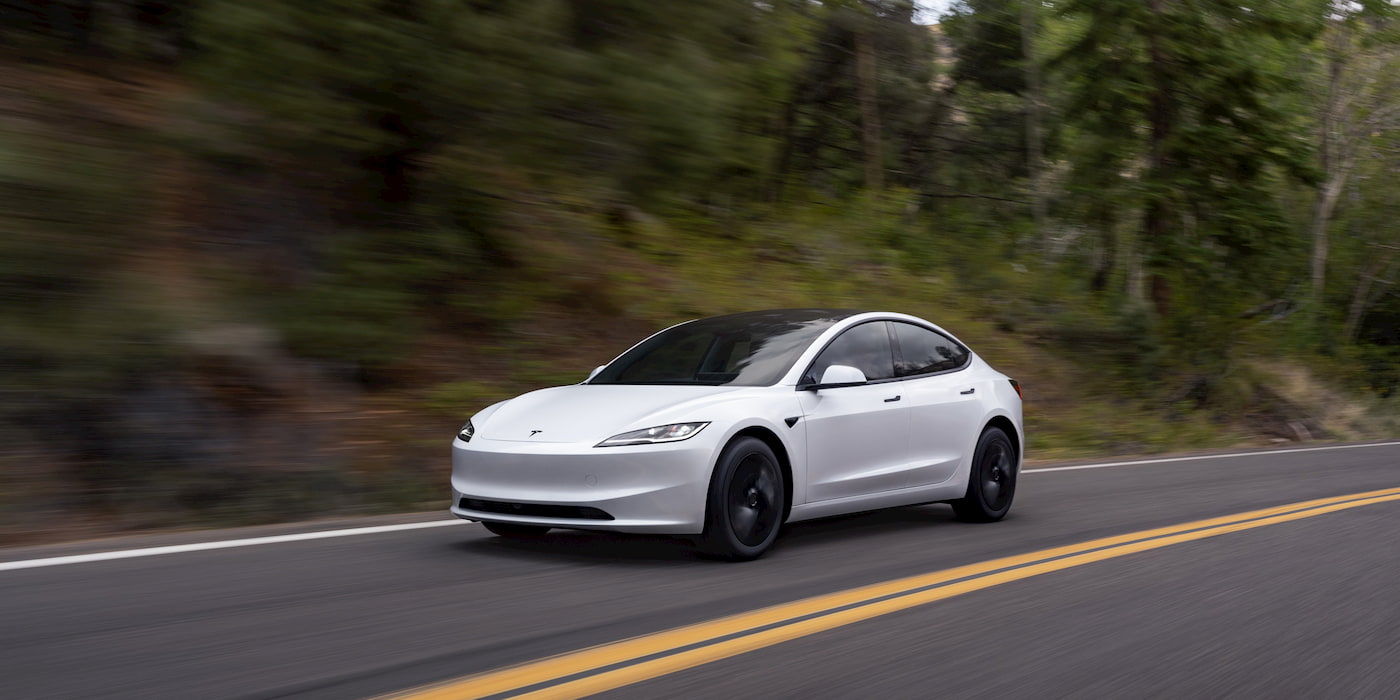
New EV prices continued to slide in May, even as sales climbed to their strongest level since the Trump administration killed federal EV tax credits last fall. more…
EV sales are rebounding due to decreasing prices and market adaptation, despite the absence of federal tax credits, demonstrating a maturing market dynamic.
This indicates that EV adoption is becoming more self-sustaining and less reliant on direct subsidies, signaling broader market acceptance and manufacturing efficiency gains.
The market dynamic for EVs is shifting from subsidy-driven growth to price elasticity and organic demand, suggesting a new phase of competition and consumer behavior.
- · EV manufacturers (low-cost)
- · Battery suppliers
- · EV charging infrastructure providers
- · Consumers
- · Traditional internal combustion engine (ICE) vehicle manufacturers
- · Fossil fuel industry
- · High-cost EV manufacturers
Increased EV sales will further push down manufacturing costs and increase economies of scale for battery production.
Greater EV penetration will accelerate grid modernization efforts and demand for clean energy sources to support charging infrastructure.
The sustained growth in EV adoption, independent of subsidies, could lead to more aggressive regulatory mandates against ICE vehicles globally.
This signal links to a primary source. Continuum Brief monitors and indexes it as part of the live intelligence stream — we do not republish source content.
Read at Electrek