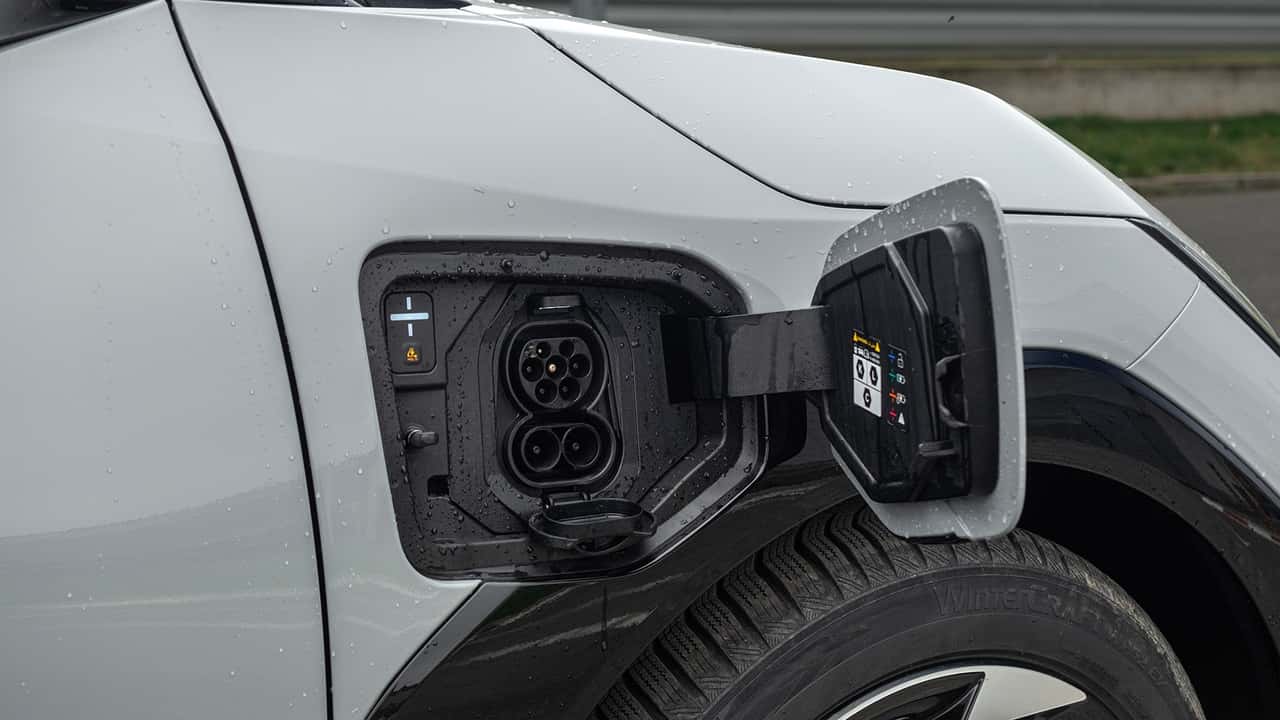
An MIT-led study found EVs usually beat gas cars on emissions, but the advantage varies sharply by location and driving habits.
The proliferation of EVs has intensified the scrutiny on their true environmental impact, moving beyond simple tailpipe emissions to encompass the entire energy lifecycle.
This study provides critical nuance to the EV transition narrative, highlighting that grid energy sources and driving patterns are as crucial as vehicle technology for climate benefits.
The understanding of EV environmental benefits is now more localized and complex, requiring geographically tailored policies and consumer education rather than broad assumptions.
- · Renewable energy producers
- · EV manufacturers in 'clean grid' regions
- · Policymakers advocating for grid decarbonization
- · Fossil fuel power generators
- · EV adoption in 'dirty grid' regions
- · Consumers with high range anxiety
Consumer purchasing decisions for EVs will become more informed by regional electricity generation mixes.
Policy incentives for EV adoption may evolve to include provisions for clean energy grid expansion or prioritize deployment in regions with cleaner energy sources.
Utilities in states reliant on fossil fuels may face increased pressure and investment to transition to renewable energy to support a cleaner EV fleet.
This signal links to a primary source. Continuum Brief monitors and indexes it as part of the live intelligence stream — we do not republish source content.
Read at InsideEVs