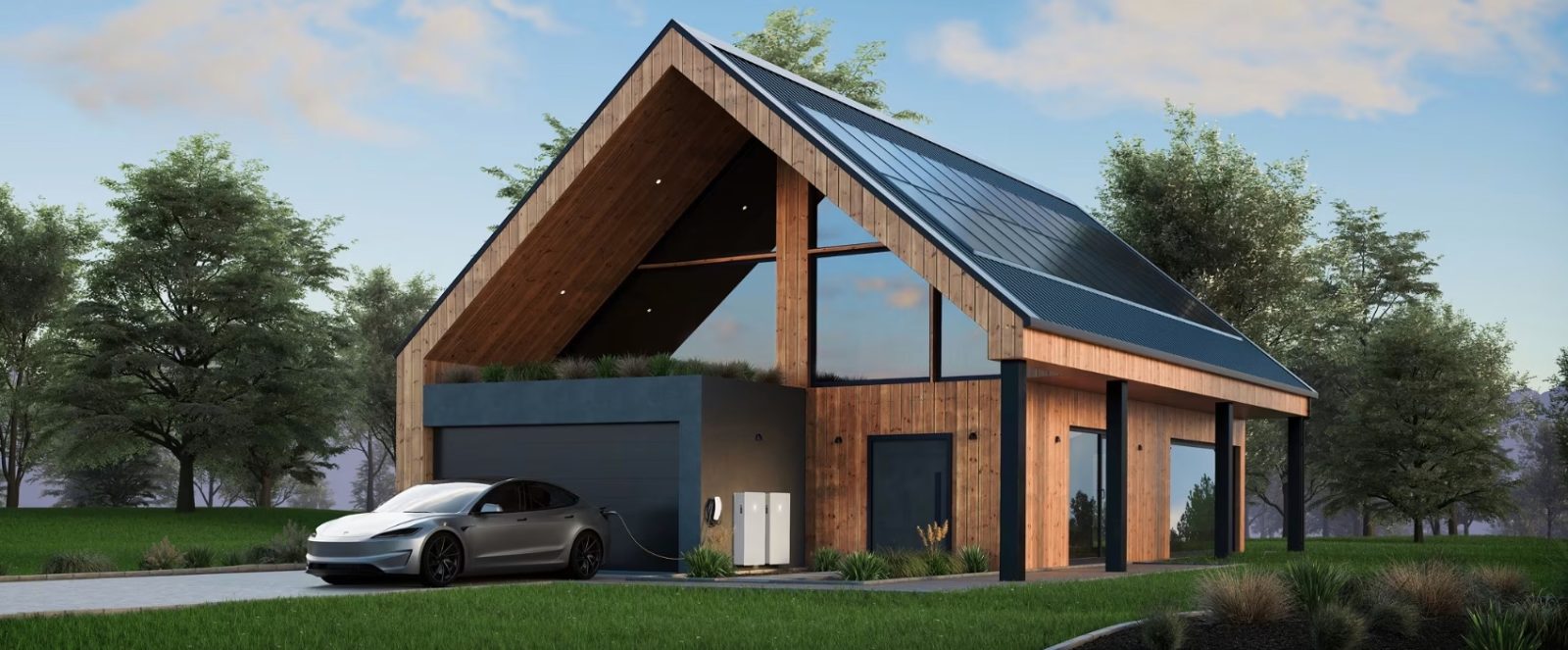
Drew Baglino spent nearly two decades building Tesla’s batteries, motors, and power electronics. Now the former Tesla SVP is quietly building the one home energy product Tesla talked up for years and never shipped: a residential heat pump. His startup, Sadi Thermal Machines, is a direct bet on an idea Tesla floated openly in 2022 — before the company reoriented itself around humanoid robots and robotaxis.
Amidst growing demand for sustainable home energy solutions and increasing concerns over grid stability and energy independence, established companies are facing internal strategic shifts while experienced talent seeks new ventures.
This development highlights the ongoing decentralization of innovation from large corporations to agile startups, particularly in critical energy sectors, and signals potential disruption to traditional utility models.
The emergence of Sadi Thermal Machines increases competition in the residential heat pump market and demonstrates a renewed focus on energy efficiency at the household level, spurred by talent from leading energy innovators.
- · Residential consumers
- · Heat pump manufacturers
- · Distributed energy sector
- · Sadi Thermal Machines
- · Traditional fossil fuel heating companies
- · Centralized grid operators (potentially)
- · Less innovative home energy solution providers
Residential energy efficiency and independence could accelerate with more disruptive heat pump technologies.
Increased adoption of residential heat pumps could reduce natural gas demand and strain on centralized electrical grids during peak heating/cooling events.
A highly efficient, widely adopted heat pump ecosystem could pave the way for more comprehensive home energy management systems, potentially integrating with EVs and local microgrids to create a more resilient and distributed energy infrastructure.
This signal links to a primary source. Continuum Brief monitors and indexes it as part of the live intelligence stream — we do not republish source content.
Read at Electrek