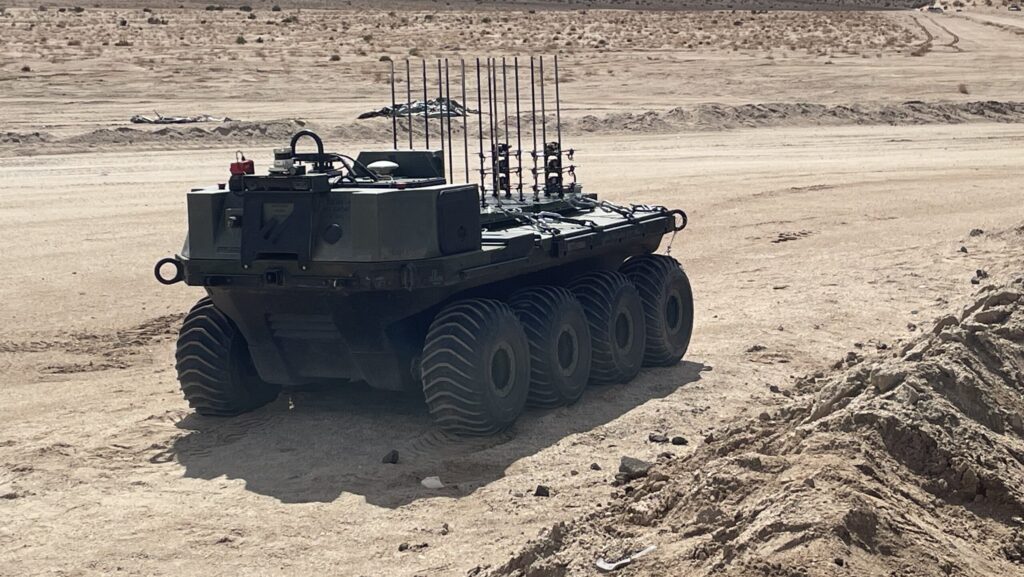
According to an internal memo obtained by Breaking Defense, the new role covers all ground vehicles, all small air vehicles and almost all sea vehicles, and reports directly to Deputy Defense Secretary Stephen Feinberg.
The Pentagon is accelerating its efforts to integrate autonomous systems across its forces, driven by geopolitical competition and rapid technological advancements in AI and robotics.
This move centralizes and streamlines the US Department of Defense's vast autonomous systems programs, indicating a serious commitment to scaling drone and uncrewed vehicle deployment.
A new, powerful 'autonomy czar' role now directly manages nearly all drone efforts across the US military, reporting to the Deputy Defense Secretary, signaling increased coordination and strategic focus.
- · US Defense Industrial Base (AI/Autonomy)
- · Drone Manufacturers (US)
- · AI/ML Solution Providers
- · Traditional Defense Contractors (non-drone focus)
- · Bureaucratic Silos within DoD
- · Adversaries relying on legacy warfare strategies
The unified autonomous systems efforts will lead to faster procurement and deployment of uncrewed platforms across services.
An integrated approach will likely foster greater interoperability and lead to novel multi-domain autonomous operations.
This accelerated adoption could shift military doctrine and force structures globally as other nations respond to the US's lead in autonomous warfare.
This signal links to a primary source. Continuum Brief monitors and indexes it as part of the live intelligence stream — we do not republish source content.
Read at Breaking Defense