Executives are cutting jobs for an AI future that hasn't fully arrived yet, even as productivity gains remain difficult to prove — data neither confirms nor refutes an AI unemployment apocalypse
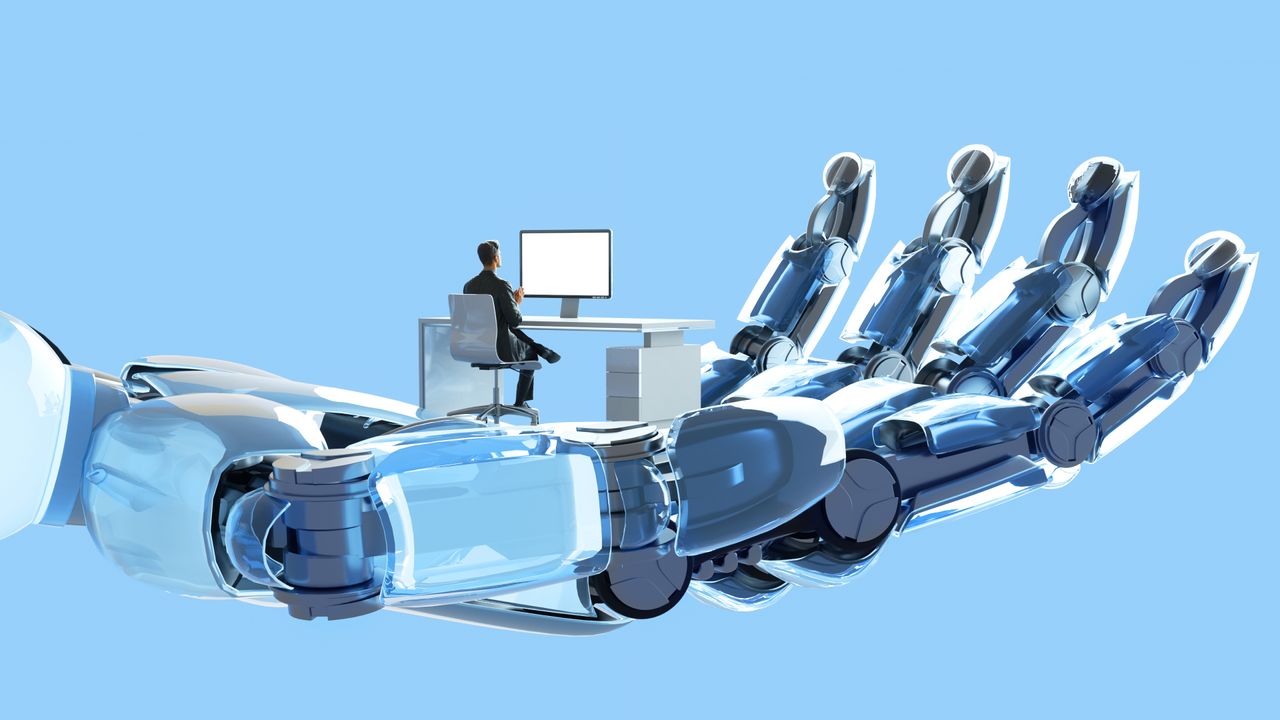
A growing number of CEOs expect AI-driven layoffs, but economic data paints a more complex picture as companies cut junior roles before proving AI delivers meaningful productivity gains.
The rapid advancement and hype surrounding AI technologies are leading executives to prematurely restructure workforces, anticipating future productivity gains that have not yet fully materialized.
This trend highlights a growing disconnect between managerial expectations of AI's immediate impact versus its current proven capabilities, potentially leading to significant labor market disruption without corresponding economic benefits.
Companies are proactively initiating layoffs, particularly in junior roles, driven by speculative rather than data-backed AI integration strategies, indicating a new phase of AI's impact on employment.
- · AI software providers
- · Consulting firms specializing in AI integration
- · Early adopters successfully proving AI ROI
- · Junior knowledge workers
- · Companies with unproven AI strategies
- · Traditional labor unions
Increased unemployment in certain sectors as companies reduce headcount based on AI integration forecasts.
A potential backlash against aggressive AI adoption if promised productivity gains do not materialize, leading to skepticism and a slower integration pace.
Government intervention and policy discussions around reskilling programs and universal basic income as the social safety net is strained by AI-driven job displacement.
This signal links to a primary source. Continuum Brief monitors and indexes it as part of the live intelligence stream — we do not republish source content.
Read at Tom's Hardware