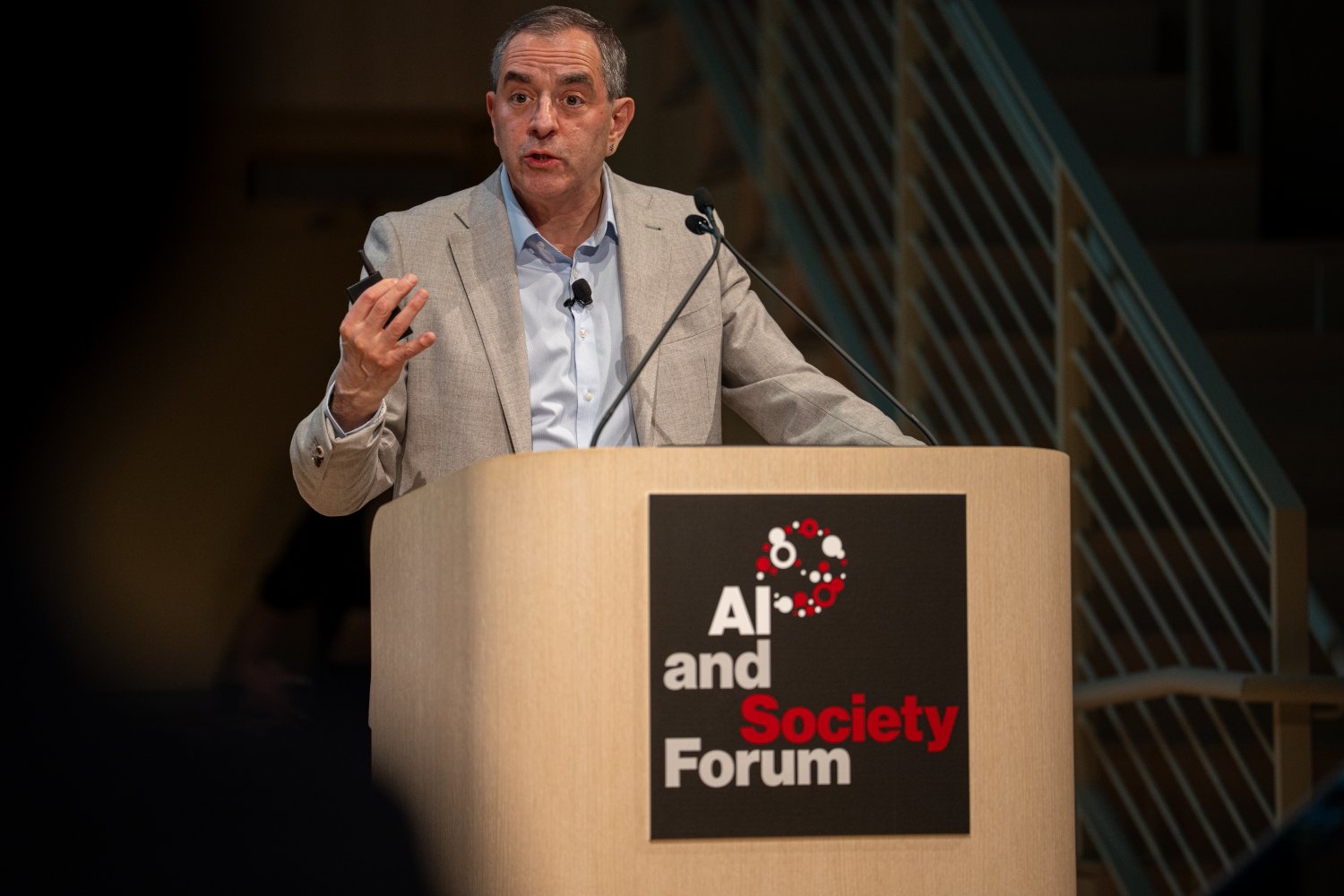
During the AI and Society Forum, leading MIT researchers examined critical questions about AI’s influence on employment and democracy.
The rapid advancement and societal penetration of AI technologies necessitate public and academic discourse on its broader implications, especially concerning employment and democratic processes.
Sophisticated readers should care because discussions at this level shape governance, public perception, and potentially future regulation of AI, directly impacting economic and political stability.
The explicit focus on AI's influence on employment and democracy indicates a maturing understanding of AI's systemic risks beyond purely technological advancements.
- · AI ethicists
- · Policy makers
- · Social scientists
- · Academic institutions
- · Unregulated AI developers
- · Traditional labor sectors
- · Outdated democratic institutions
Increased public and governmental scrutiny on AI development and deployment.
Potential for early regulatory frameworks or ethical guidelines to emerge, influencing market access and product design.
Shifts in educational priorities to prepare the workforce for an AI-integrated economy, possibly leading to new social safety nets.
This signal links to a primary source. Continuum Brief monitors and indexes it as part of the live intelligence stream — we do not republish source content.
Read at MIT News — AI