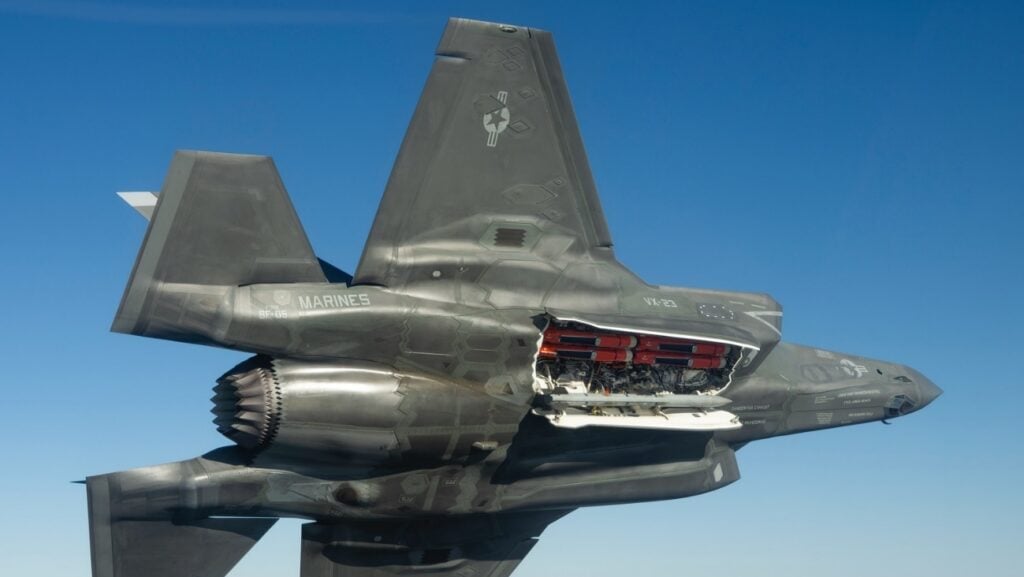
The first flight milestone comes four years later than originally planned, after an initial delay caused by technical troubles.
The F-35B's successful flight test with the British SPEAR mini-cruise missile marks a significant milestone in integrating advanced standoff weapons onto fifth-generation fighters.
This event demonstrates the continuing evolution of Western air warfare capabilities, enhancing the F-35's combat versatility and strike range, especially for naval and expeditionary forces.
The F-35B now has a validated capability to deploy a sophisticated, networked precision-guided weapon, expanding its operational utility and potential impact in contested environments.
- · Lockheed Martin
- · MBDA
- · Royal Air Force
- · NATO Allies
The F-35B gains enhanced stand-off precision strike capabilities, increasing its lethality and survivability.
This integration could accelerate similar weapon integration efforts for other F-35 variants and allied platforms, fostering greater interoperability and shared burden on weapons development.
The successful deployment of compact, networked cruise missiles from stealth fighters may influence future air defence strategies and require adversaries to invest more heavily in layered missile interception systems.
This signal links to a primary source. Continuum Brief monitors and indexes it as part of the live intelligence stream — we do not republish source content.
Read at Breaking Defense