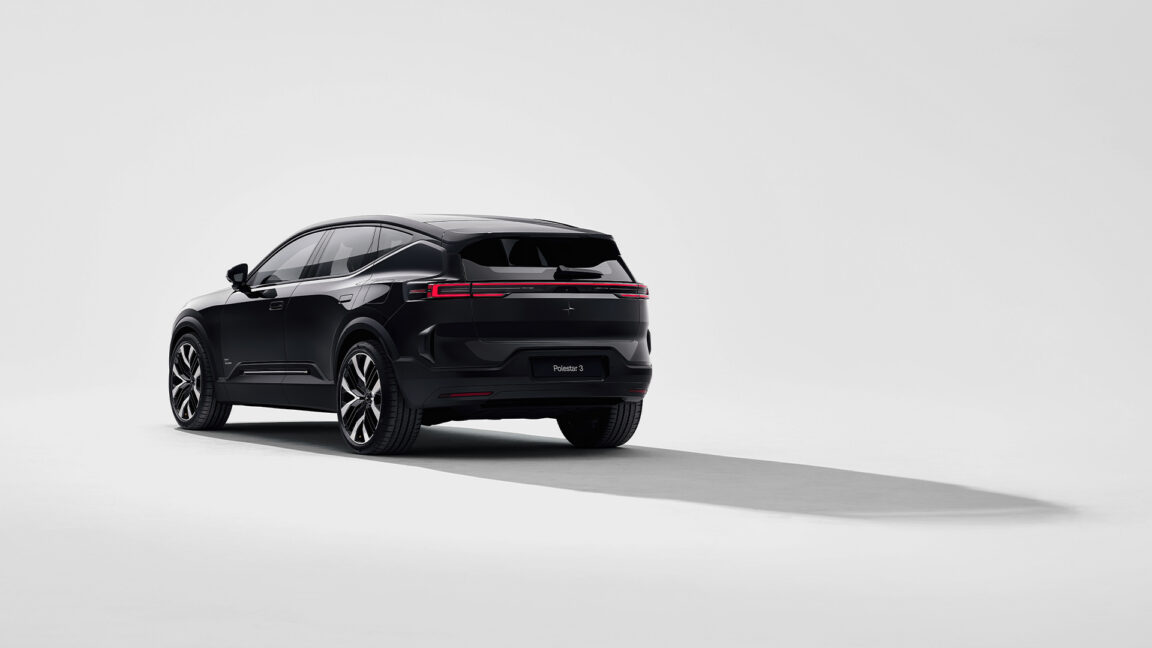
Unlike with Volvo, there will be no authorization for Polestar to sell its cars here.
The denial by federal authorities suggests increasing scrutiny and protectionist tendencies within the US market regarding foreign automotive players, particularly in advanced technology sectors like autonomous systems.
This event indicates potential geopolitical and economic friction impacting global automotive supply chains and the adoption of autonomous vehicle technology in key markets.
Polestar, and potentially other foreign EV manufacturers, will face significant hurdles or outright bans in accessing the US market, leading to re-evaluation of market strategies and production locations.
- · US domestic auto manufacturers
- · Tesla
- · US automotive lobbying groups
- · Polestar
- · European EV manufacturers
- · Consumers seeking EV variety
Polestar will be unable to sell its cars in the US from model year 2027.
Other foreign EV manufacturers may face similar regulatory barriers or increased protectionist sentiments in the US market.
This could accelerate the trend of 'onshoring' or regionalizing automotive production and supply chains, particularly for advanced vehicle technologies.
This signal links to a primary source. Continuum Brief monitors and indexes it as part of the live intelligence stream — we do not republish source content.
Read at Ars Technica — Cars