Finland deploys new system to detect threats to undersea cables — distributed acoustic sensors measure vibrations from the seabed and informs the authorities and operators of suspicious activities
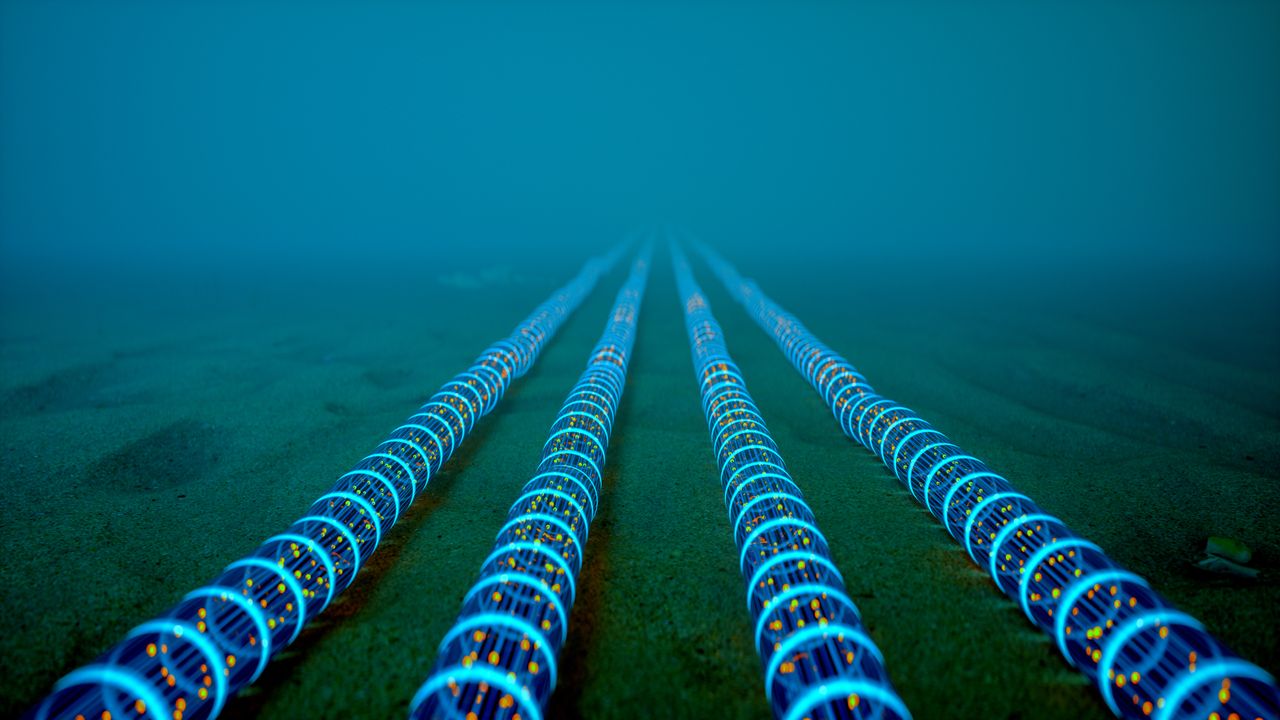
Finnish companies and academic institutions, alongside the Finnish Navy and Border Guards, worked together to develop a system that used existing undersea cables to detect potential disturbances on the seabed. This system would allow the authorities to respond to any detected anomaly, potentially preventing critical undersea infrastructure from getting damaged.
Amidst heightened geopolitical tensions and increased awareness of critical infrastructure vulnerabilities, nations are actively seeking innovative and cost-effective solutions for security.
This development represents a significant step in protecting vital undersea communication and energy infrastructure, reducing risks of disruption and potentially costly repairs or economic setbacks.
The ability to use existing infrastructure for real-time threat detection transforms passive assets into active security systems, enhancing national security and operational resilience.
- · Finland's national security agencies
- · Undersea cable operators
- · National economies reliant on global internet traffic
- · Defence technology companies
- · Actors attempting sabotage of海底cables
Immediate detection and response to physical threats to undersea cables will improve.
Other nations will likely adopt or develop similar integrated civil-military solutions for critical infrastructure protection.
This could lead to a global standard for proactive undersea infrastructure security and potentially a new market for 'smart cable' solutions.
This signal links to a primary source. Continuum Brief monitors and indexes it as part of the live intelligence stream — we do not republish source content.
Read at Tom's Hardware