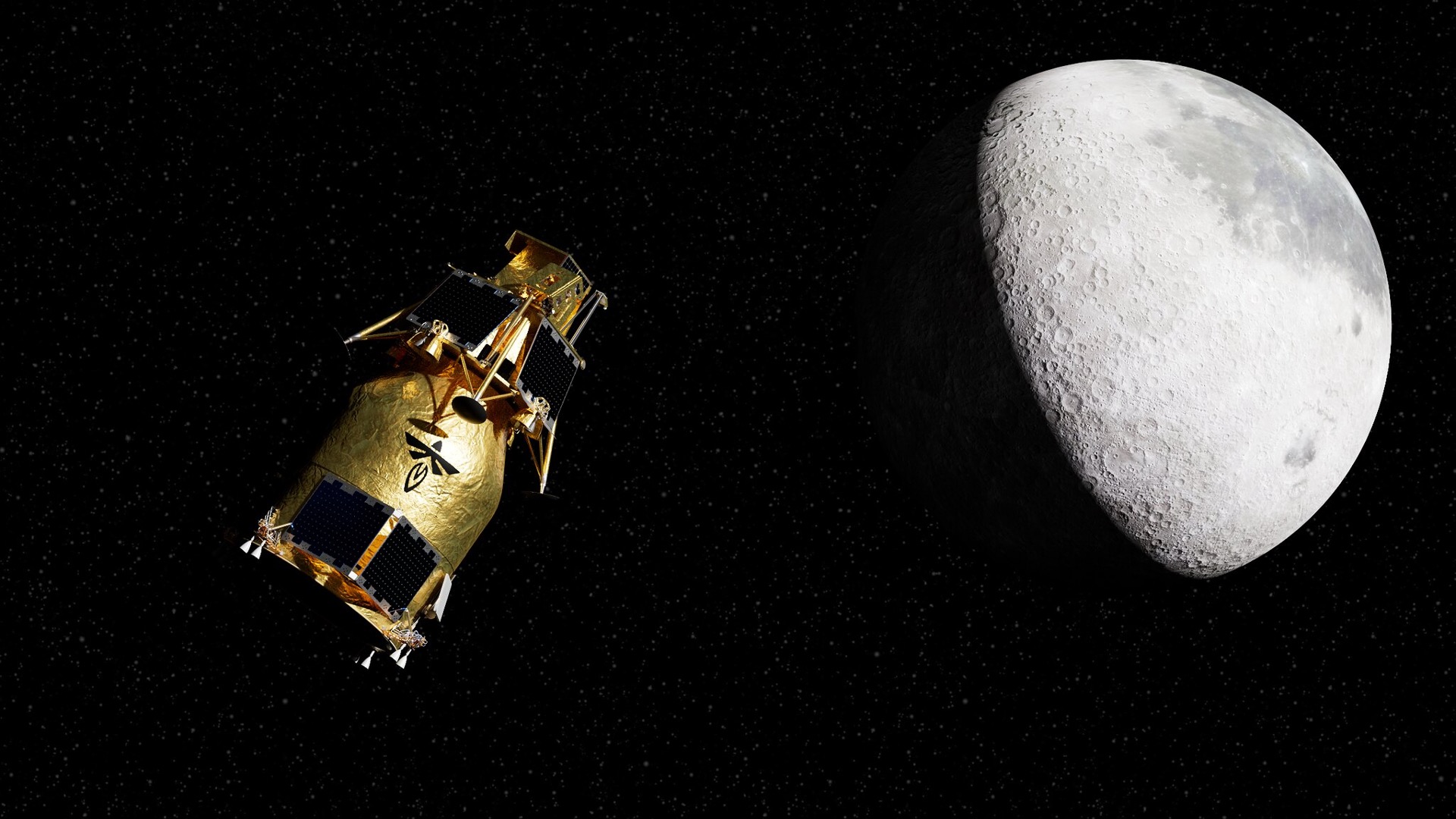
The increasing demand for autonomous capabilities in space missions, combined with advancements in embedded AI hardware, makes this an opportune moment for such deployments.
This event demonstrates the growing operationalization of AI at the edge in extreme environments, expanding the scope and capabilities of future space exploration and defense applications.
The successful deployment of AI in lunar orbit by a commercial entity significantly lowers the barrier for complex autonomous operations beyond Earth, potentially accelerating innovation in space tech.
- · Firefly Aerospace
- · NVIDIA
- · Aerospace Industry
- · AI hardware manufacturers
Increased funding and development in space-grade AI and autonomous systems will likely follow this successful demonstration.
More sophisticated and long-duration lunar and deep-space missions, capable of greater autonomy, become feasible.
The proliferation of AI in space could lead to new geopolitical dynamics as nations and private entities vie for control over critical orbital and celestial resources through autonomous means.
This signal links to a primary source. Continuum Brief monitors and indexes it as part of the live intelligence stream — we do not republish source content.
Read at NVIDIA Blog