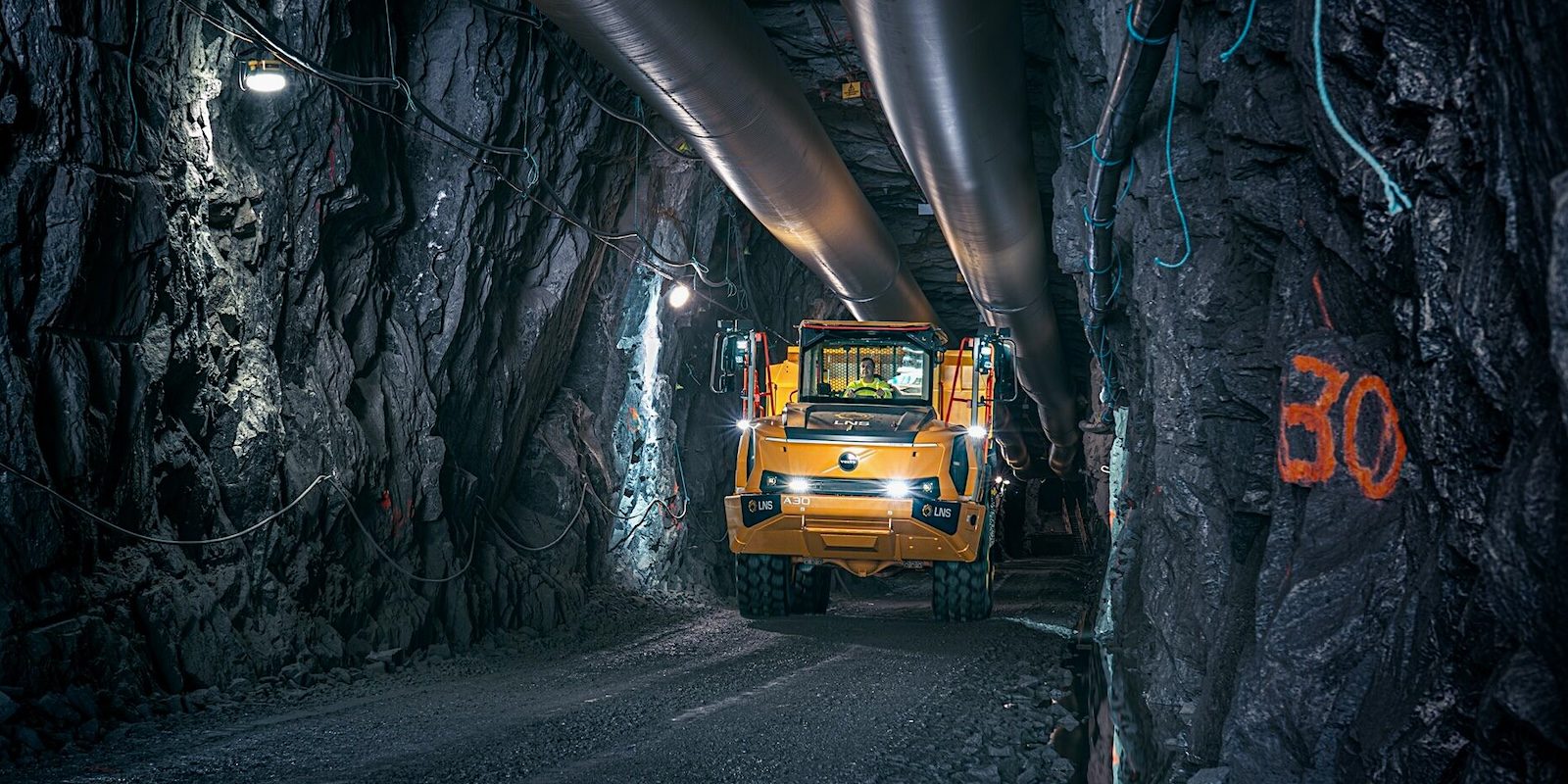
Volvo CE announced its first-ever electric articulated haul truck at last year’s Bauma construction expo ; less than a year later, the first examples of Volvo’s new A30 Electric are in customers’ hands, doing real work.
The deployment of the first electric articulated haul trucks indicates that electric heavy equipment is moving from concept to commercial reality, driven by environmental regulations and technological advancements in battery and power systems.
This development signifies a critical step in the electrification of carbon-intensive sectors, impacting energy demand, supply chains for heavy equipment, and emissions targets across construction and mining industries.
The operational availability of electric heavy equipment like the Volvo A30 Electric means that businesses can now realistically integrate zero-emission vehicles into their demanding work cycles, changing procurement strategies and operational footprints.
- · Volvo CE
- · Electric battery manufacturers
- · Construction companies adopting EVs
- · Renewable energy providers
- · Diesel engine manufacturers
- · Fossil fuel industry
- · Companies slow to adopt electrification
Increased demand for charging infrastructure and grid upgrades at industrial sites.
Reduced operational costs for heavy equipment users due to lower fuel and maintenance expenses, leading to competitive advantages.
Acceleration of electrification across other heavy-duty vehicle segments and a gradual shift in the energy mix for industrial operations globally.
This signal links to a primary source. Continuum Brief monitors and indexes it as part of the live intelligence stream — we do not republish source content.
Read at Electrek