Flock cameras mistakenly track car reviewer over 'stolen' tags — police ambush tester in store parking lot and detain him for an hour
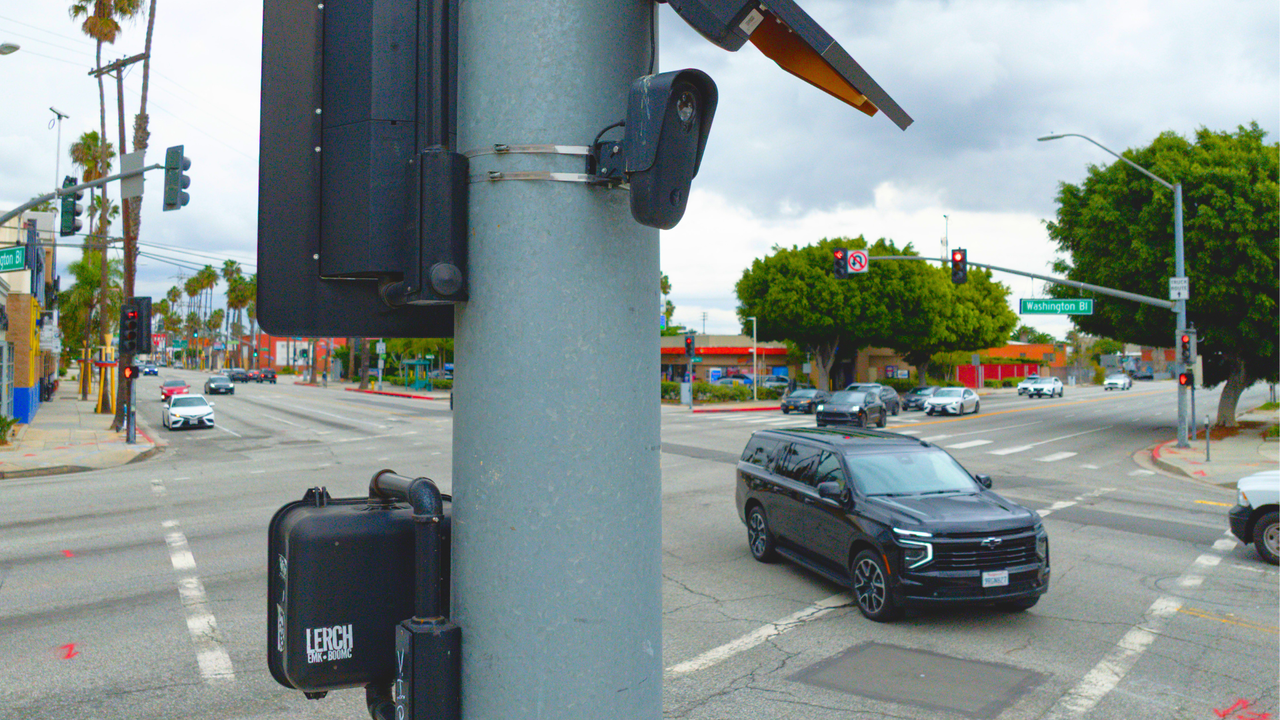
Flock AI cameras failed to read the smaller digits on a non-standard New Jersey plate, leading cops to block in the driver on suspicion of driving a vehicle with "stolen" tags. It turns out the initial police report omitted the smaller numbers, resulting in several legitimate plates getting flagged by the system.
The proliferation of AI-powered surveillance systems is leading to increased scrutiny and real-world incidents highlighting their limitations.
This incident underscores the critical need for accuracy, proper human oversight, and robust data standards in AI-driven public safety applications, impacting public trust and regulatory frameworks.
The incident highlights the immediate and tangible risks of flawed AI-powered surveillance, potentially accelerating demands for stricter regulation and better integration protocols, particularly for systems affecting civil liberties.
- · Civil rights advocates
- · Companies offering AI auditing solutions
- · Regulators
- · Flock AI
- · Law enforcement agencies deploying immature AI systems
- · Public confidence in AI surveillance
Increased public and legislative pressure on AI surveillance companies to improve accuracy and transparency.
New legislation or industry standards emerge regarding the implementation and oversight of public-facing AI systems.
A broader societal debate intensifies around privacy versus security, and the role of autonomous AI in policing, potentially leading to bans or significant restrictions on certain applications.
This signal links to a primary source. Continuum Brief monitors and indexes it as part of the live intelligence stream — we do not republish source content.
Read at Tom's Hardware