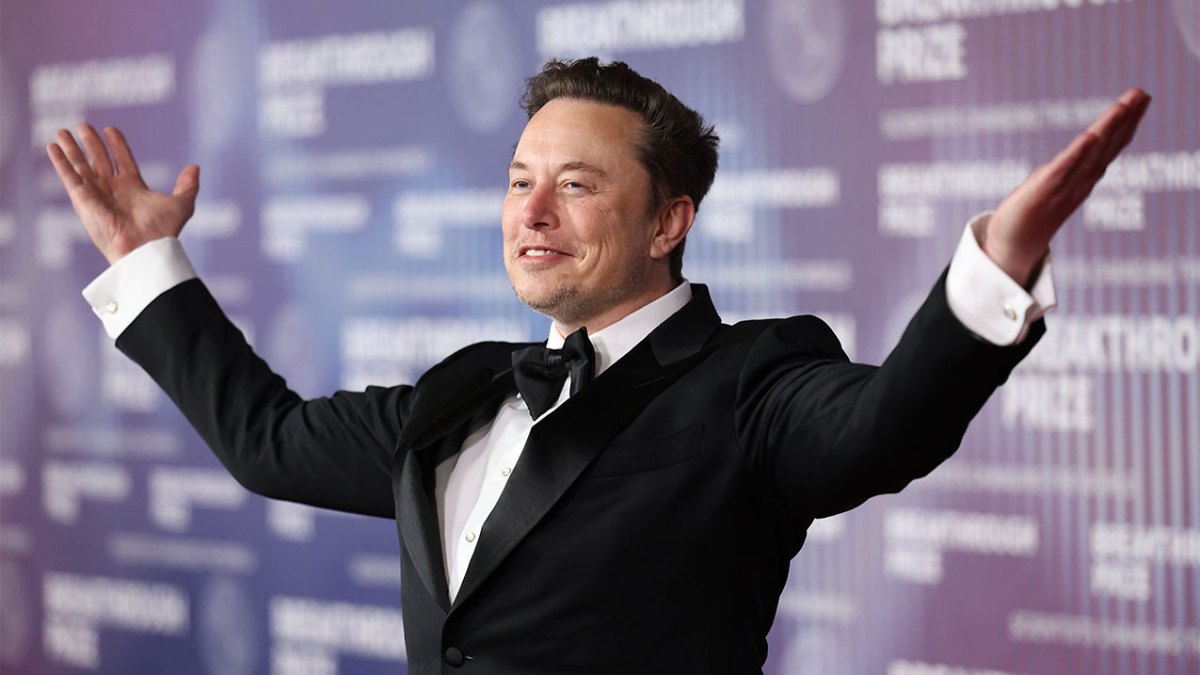
Musk, who will have more than 50% of the voting power, will have a monarchical grip over the publicly-traded version of SpaceX — control that goes far beyond what other tech founders enjoy.
Amidst preparations for SpaceX's potential IPO, the organizational structure reinforcing Elon Musk's control is being formalized, highlighting a distinct governance model for a major aerospace and technology company.
This establishes a precedent for founder control in publicly traded, high-growth technology companies, potentially influencing investor expectations and corporate governance models in future ventures, especially those requiring long-term, visionary leadership.
Elon Musk's retained monarchical control over a public SpaceX means its strategic direction will remain highly centralized, contrasting with typical public company governance structures that emphasize broader shareholder influence.
- · Elon Musk
- · SpaceX (under Musk's vision)
- · Early SpaceX investors aligned with Musk
- · Public minority shareholders seeking traditional governance
- · Traditional corporate governance advocates
Musk gains unprecedented direct control over SpaceX's strategic and operational decisions post-IPO, ensuring his long-term vision remains paramount.
This model could inspire other major tech founders to seek similar control structures for their companies going public, potentially altering norms around venture capital and public market engagement.
Increased founder control across critical technology sectors may lead to more radical long-term projects but also higher single-point-of-failure risks for national infrastructure and strategic capabilities.
This signal links to a primary source. Continuum Brief monitors and indexes it as part of the live intelligence stream — we do not republish source content.
Read at TechCrunch — Transportation