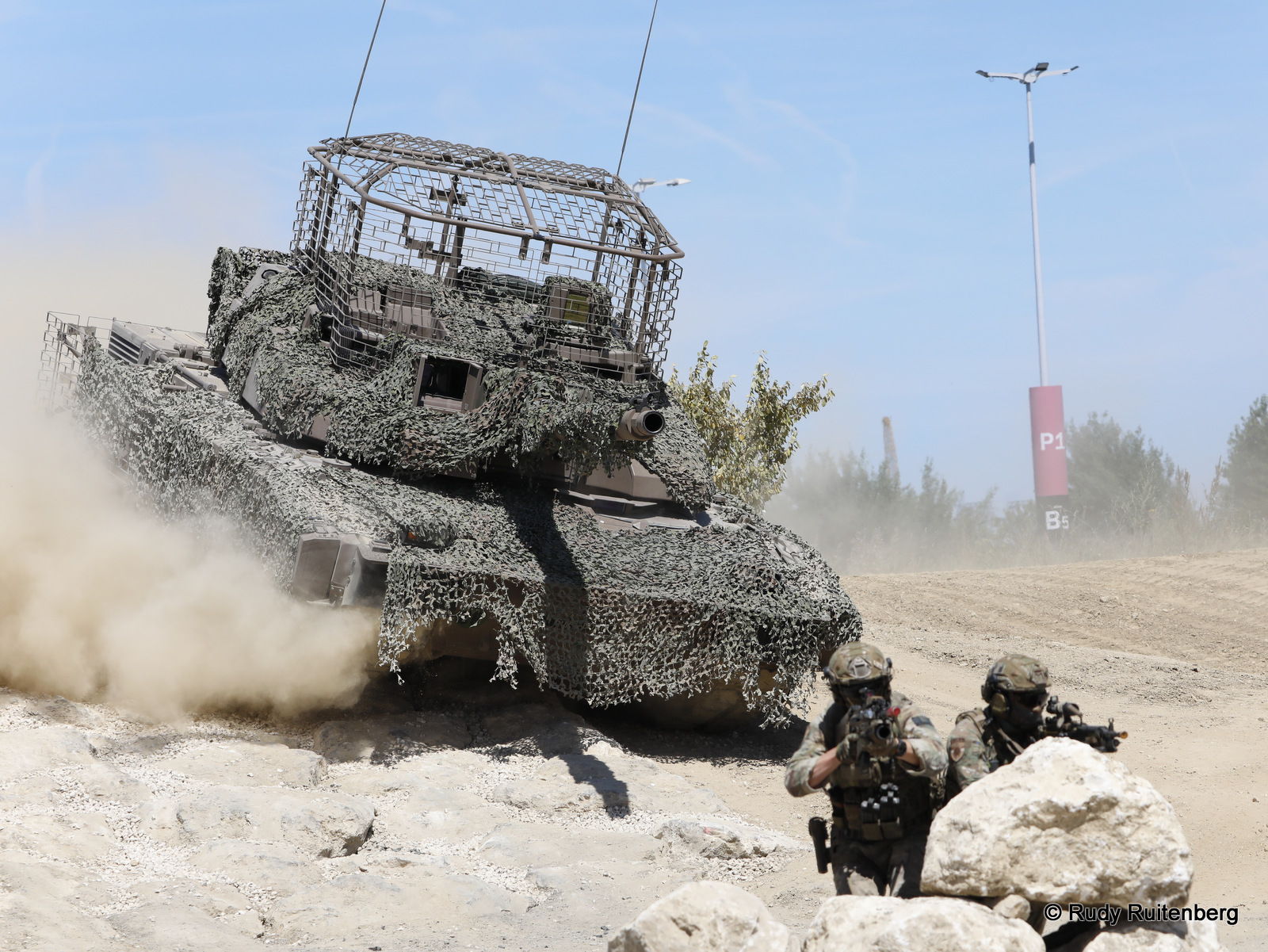
Once derided as primitive, roof-mounted armor variants have been adopted by both Russian and Ukrainian forces as drone threats proliferate.
The proliferation of drone threats in modern warfare, particularly highlighted by the Russia-Ukraine conflict, is forcing militaries to rapidly adapt and implement previously overlooked defensive measures.
This indicates a significant pivot in defense strategy and hardware development, as even advanced militaries like France are adopting pragmatic, battle-proven solutions against evolving threats, underscoring the increasing importance of drone countermeasures.
Previously dismissed defensive measures are now being integrated into frontline military hardware by leading nations, validating ad-hoc battlefield innovations and accelerating their formal adoption.
- · Drone countermeasure manufacturers
- · Defense innovation programs
- · Militaries prioritizing rapid adaptation
- · Traditional tank manufacturers slow to adapt
- · Militaries relying solely on legacy air defense systems
- · Doctrine resistant to low-cost, high-impact threats
The anti-drone cage, once mocked, becomes a standard feature on main battle tanks across advanced militaries.
This drives increased investment in anti-drone systems, including soft kill and electronic warfare, shifting defense budgets.
The asymmetry of cheap drones versus expensive tanks could fundamentally alter the cost-benefit analysis of conventional ground forces, fostering new combat doctrines focused on distributed, autonomous platforms.
This signal links to a primary source. Continuum Brief monitors and indexes it as part of the live intelligence stream — we do not republish source content.
Read at C4ISRNET