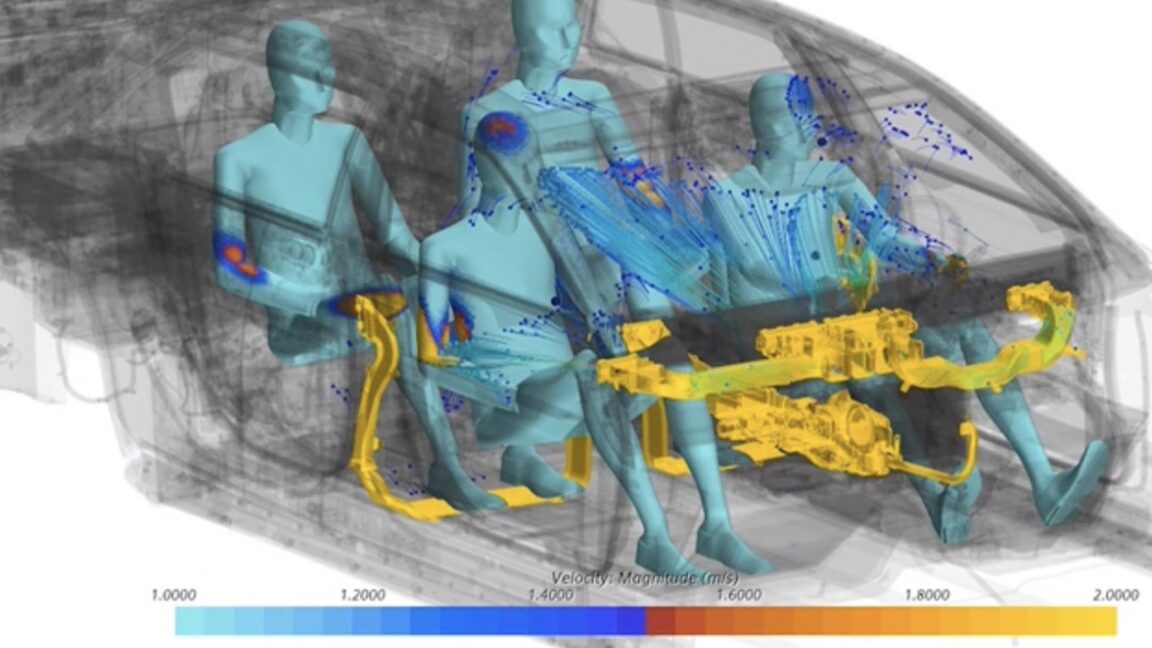
From CFD and FEA to digital twins, carmaking now involves a lot of virtualization.
The rapid advancements in AI and machine learning capabilities are enabling complex engineering simulations to be performed with unprecedented speed and efficiency.
This development indicates a fundamental change in industrial R&D processes, significantly reducing time-to-market and development costs for complex products like automobiles.
Traditional, lengthy simulation and design cycles in manufacturing are being compressed dramatically by AI-driven virtualization, making product development much faster and more iterative.
- · General Motors
- · Automotive industry
- · AI/ML software providers
- · Manufacturing sector
- · Traditional engineering simulation firms
- · Companies slow to adopt AI in R&D
GM and other early adopters gain a significant competitive advantage through accelerated product development and innovation.
This efficiency gain could lead to a broader industry shift towards AI-centric design and engineering, accelerating the pace of technological upgrades across various sectors.
The reduced development cycles might drive increased consumer demand for rapidly iterating product features and new vehicle models, influencing market dynamics and product lifespans.
This signal links to a primary source. Continuum Brief monitors and indexes it as part of the live intelligence stream — we do not republish source content.
Read at Ars Technica — Cars