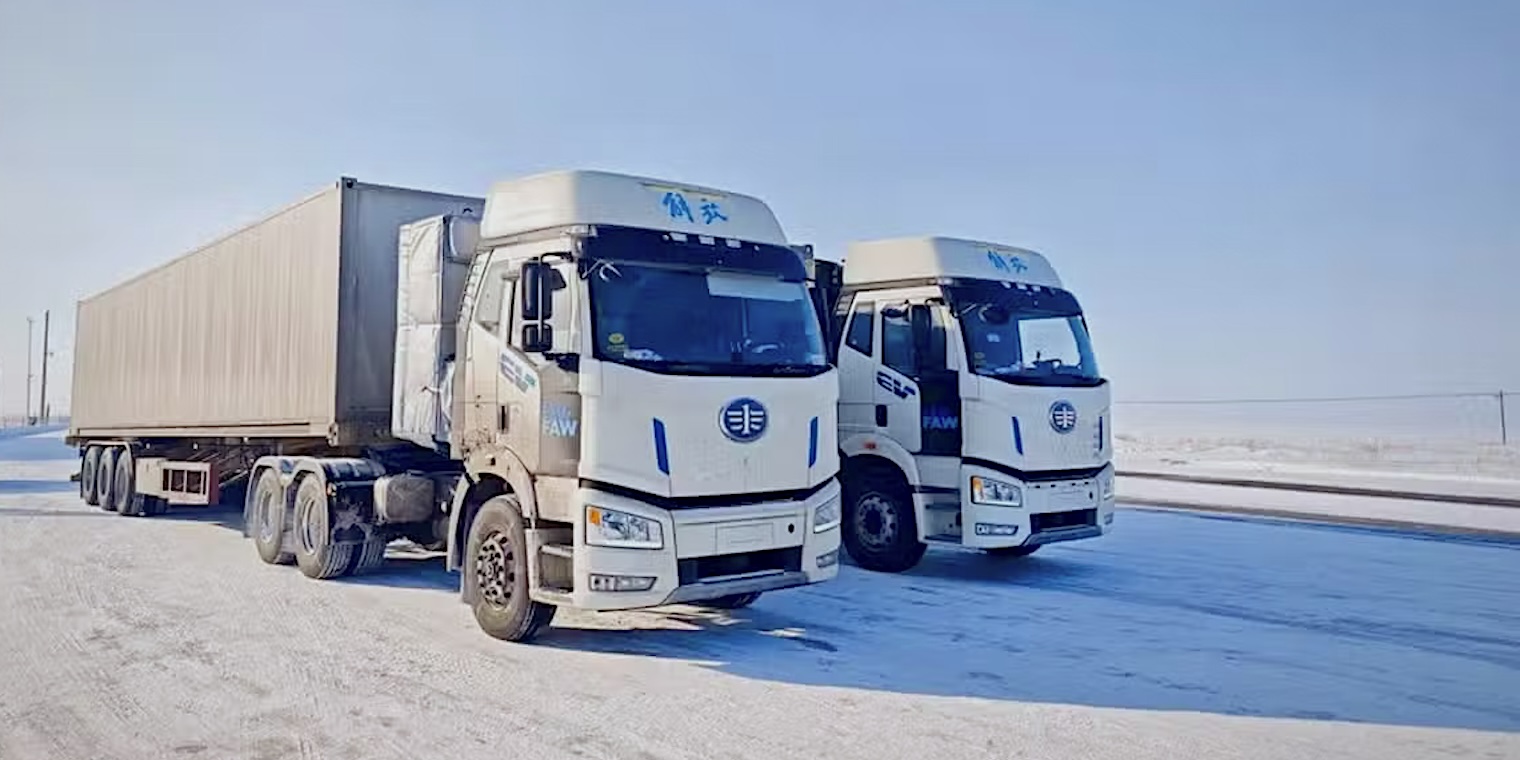
Made from more affordable and more abundant materials than li-ion, sodium batteries promise more abundant and more affordable electric vehicles – but will sodium batteries be practical for commercial trucks? Chinese truck brand FAW Jiefang is working to find out.
China is aggressively pursuing EV battery diversification and cost reduction strategies, and sodium-ion technology has reached a maturity level where practical applications are being explored.
This development indicates a potential shift in the EV battery landscape, offering a pathway to more affordable and abundant electric vehicles and reducing reliance on traditional lithium-ion chemistries.
The commercial viability of sodium-ion batteries for heavy-duty applications is being actively tested, which could accelerate broader adoption if successful.
- · Chinese EV manufacturers
- · Logistics companies
- · Sodium mining industry
- · Emerging market EV adoption
- · Lithium mining companies (long-term)
- · Traditional internal combustion engine truck manufacturers
- · Countries without abundant sodium reserves
- · Established lithium-ion battery makers (if competitive)
Successful deployment of sodium-ion batteries in heavy-duty trucks could significantly lower the cost of EV fleets.
Reduced battery costs could accelerate the global transition to electric commercial vehicles, particularly in cost-sensitive markets.
A widespread shift to sodium-ion could rebalance geopolitical leverage in critical mineral supply chains, diminishing the strategic importance of lithium.
This signal links to a primary source. Continuum Brief monitors and indexes it as part of the live intelligence stream — we do not republish source content.
Read at Electrek