From monolith to Lakebase to LTAP: rethinking the database from storage up
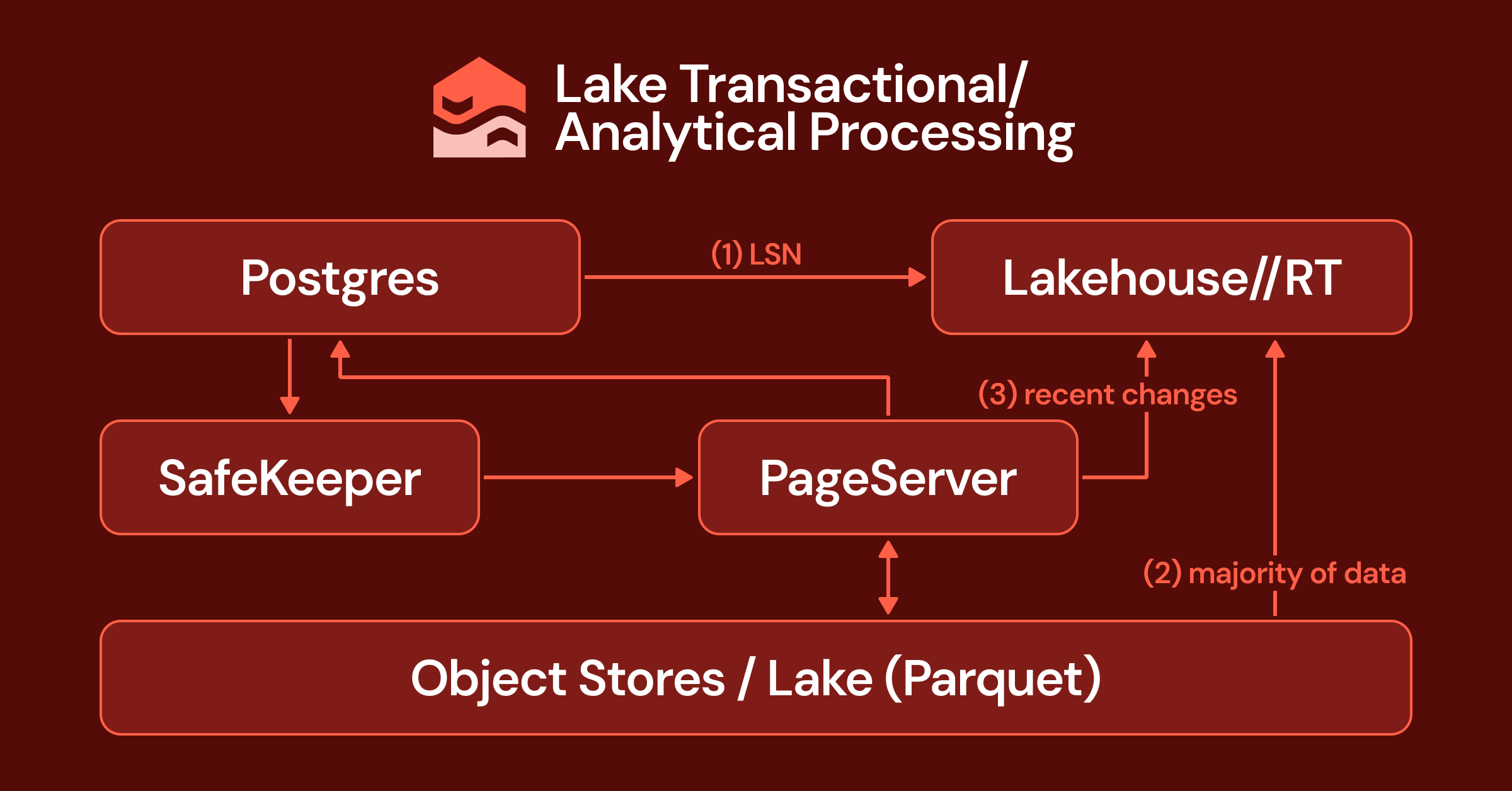
When I started my PhD at UC Berkeley 16 years ago, my advisor told me: "OLTP databases...
The proliferation of real-time data needs, AI workloads, and the convergence of analytics and transactional processing are driving innovation in database architectures.
A strategic reader should care because advances in database design, particularly the 'Lakebase' and 'LTAP' concepts, significantly impact data infrastructure efficiency, scalability, and the ability to leverage data for competitive advantage.
Traditional distinctions between OLTP and OLAP are blurring, leading to a new class of databases that can handle both transactional and analytical workloads efficiently from a unified storage layer.
- · Databricks
- · Cloud service providers
- · Enterprises with complex data needs
- · AI/ML application developers
- · Legacy database vendors
- · Companies with siloed data infrastructure
- · Data warehousing specialists
Companies will achieve greater data agility and reduced operational overhead by consolidating their data platforms.
This foundational shift will accelerate the development and deployment of real-time AI applications across various industries.
The increased efficiency of data processing could contribute to a lower energy footprint for very large-scale data operations, potentially easing compute-related energy demands over time.
This signal links to a primary source. Continuum Brief monitors and indexes it as part of the live intelligence stream — we do not republish source content.
Read at Databricks Blog