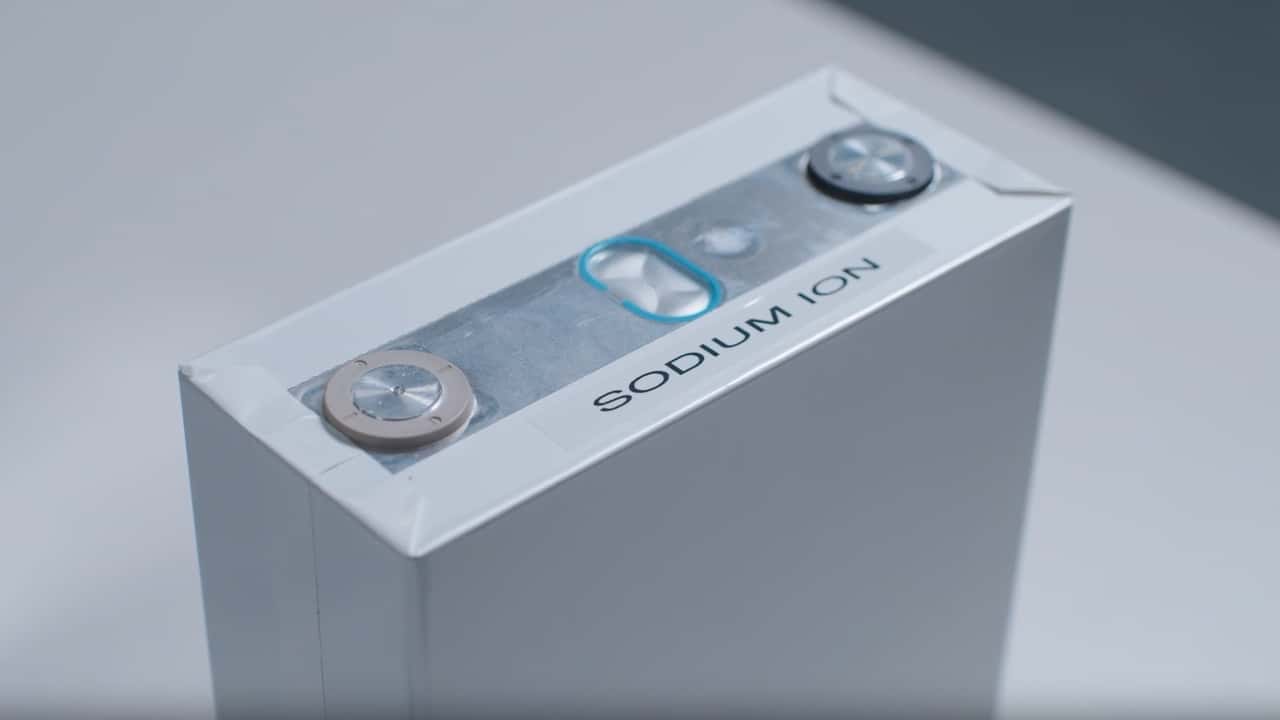
After LFP and LMR, the automaker is betting on yet another battery chemistry type.
The push for EV battery diversification and supply chain security, alongside cost pressures, is driving automotive companies to explore alternatives to lithium-ion chemistry.
This development indicates a strategic pivot by a major automaker towards potentially cheaper and more abundant battery materials, impacting the future of EV production and energy storage.
General Motors is committing to domestic sodium-ion battery production, potentially reducing reliance on specific critical minerals and diversifying its battery supply chain.
- · General Motors
- · Sodium mining and processing industry
- · US battery manufacturing
- · EV consumers (potentially lower costs)
- · Traditional lithium-ion battery producers (long-term)
- · Nations dominant in lithium supply
- · Companies heavily invested in LFP/LMR only
General Motors gains a new, potentially cost-effective battery technology for its EV lineup, offering supply chain resilience.
Increased adoption of sodium-ion could drive further investment and R&D into this chemistry, accelerating its commercial viability across various applications.
A successful shift to sodium-ion by GM could pressure other major automakers to diversify their battery chemistries, leading to a more distributed and less geopolitically sensitive global battery supply chain.
This signal links to a primary source. Continuum Brief monitors and indexes it as part of the live intelligence stream — we do not republish source content.
Read at InsideEVs