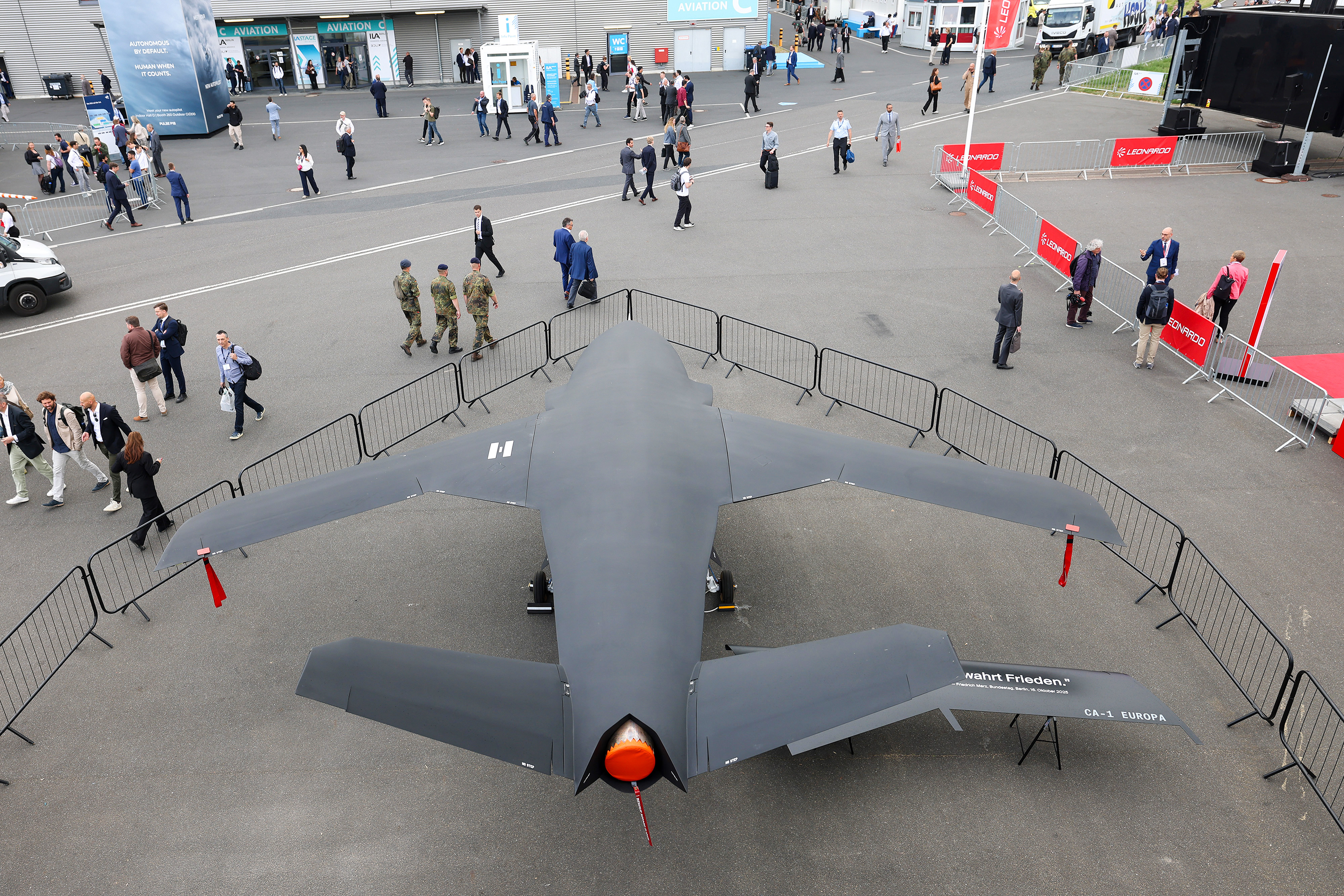
Airbus, which represented Germany and Spain in FCAS, is increasingly looking to Sweden’s Saab as a preferred partner, according to sources.
The headline indicates the air show's timing is under the shadow of the Iran war, suggesting a heightened urgency for defence capabilities, coupled with the ongoing challenges in European defence industrial collaboration.
The potential collapse of a major European fighter project and the shift in partnerships indicate a significant re-evaluation of defence industrial strategy, impacting future military capabilities and geopolitical alliances.
Germany's reliance on pan-European defence programs is shifting towards bilateral or smaller-group collaborations, potentially accelerating individual national defence tech strategies.
- · Saab
- · Sweden
- · Individual national defence industries
- · FCAS project cohesiveness
- · France
- · Spain
The Airbus-Saab partnership could lead to a new European fighter jet project, distinct from FCAS.
This shift may fragment European defence development efforts, potentially leading to more diverse, albeit less unified, military industrial bases.
Increased national defence tech autonomy could empower smaller nations to develop specialist capabilities, altering the balance of power within NATO and the EU.
This signal links to a primary source. Continuum Brief monitors and indexes it as part of the live intelligence stream — we do not republish source content.
Read at Defense News