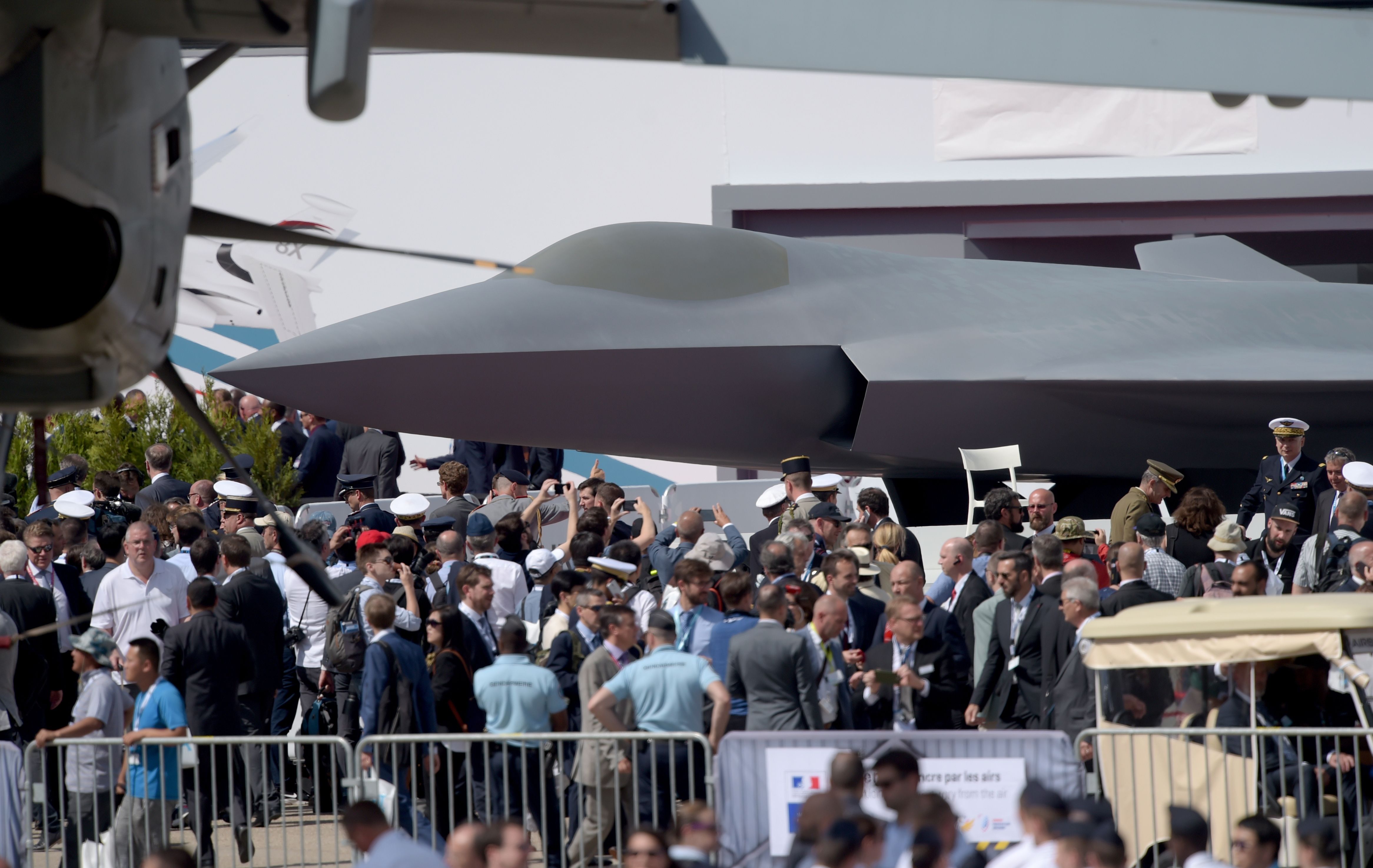
With existing FCAS contracts ending this year, the companies want the government to keep spending money on a sixth-generation warplane.
The existing FCAS contracts are ending, creating an immediate need for renewed government commitment to avoid a lapse in development and maintain technological momentum.
This move highlights the European intent to independently develop advanced military technology, reducing reliance on external powers and protecting critical defense industrial capabilities.
The unified push from German and Spanish companies demonstrates a persistent commitment to a European-led sixth-generation fighter program despite potential funding gaps, indicating a deepening strategic alliance in defense tech.
- · European defense contractors
- · European aerospace industry
- · FCAS program
- · Non-European defense competitors (US, UK, etc.) if FCAS progresses
Companies involved in the FCAS program will likely receive extended or new contracts to continue development.
This sustained investment could accelerate the development of critical sixth-generation fighter technologies within Europe.
Successful, independent European defense tech development could shift geopolitical power dynamics, making Europe a more formidable and self-reliant military actor.
This signal links to a primary source. Continuum Brief monitors and indexes it as part of the live intelligence stream — we do not republish source content.
Read at Defense News