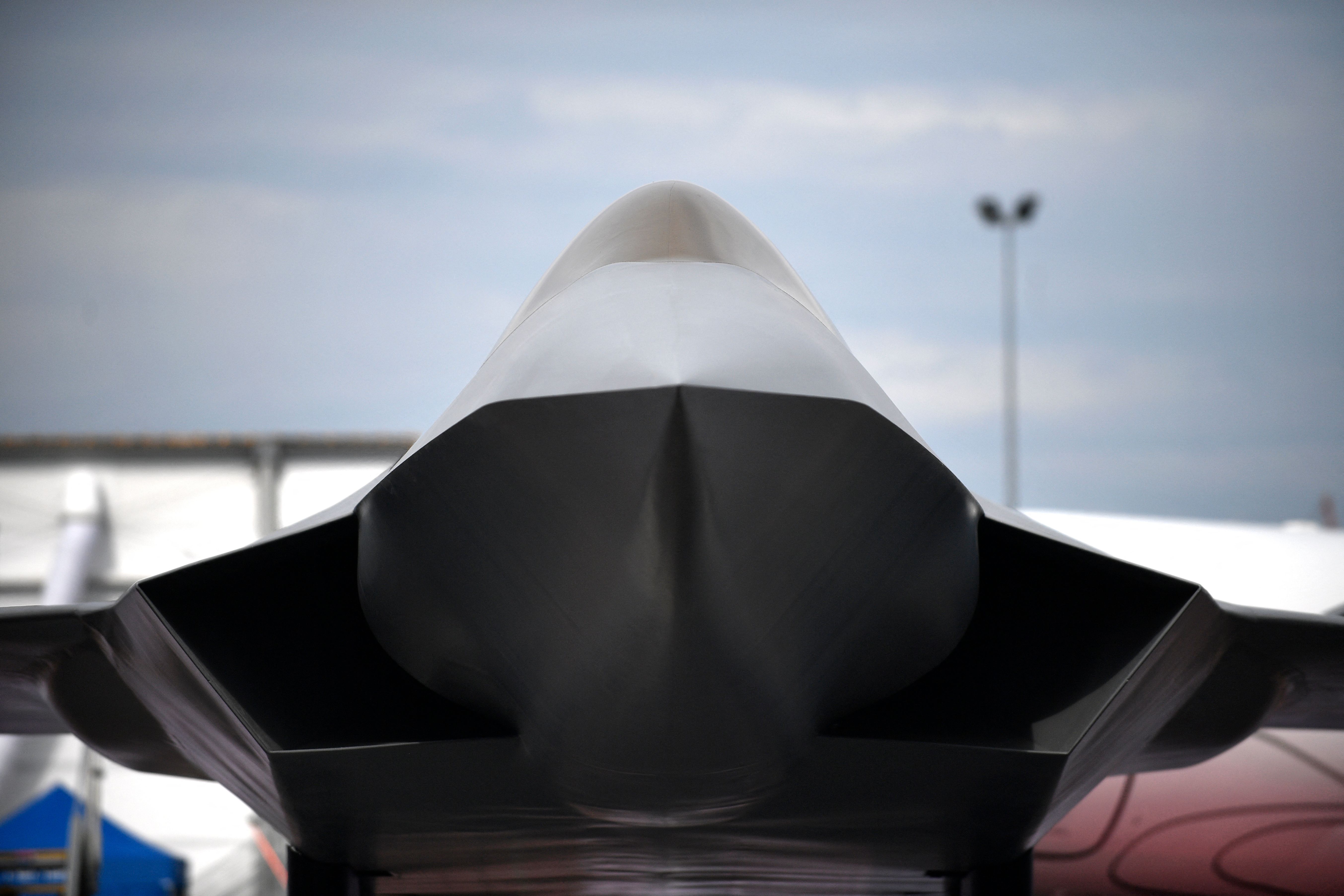
Failure to reach an agreement underscores the struggles Europe has faced in rebuilding its military capacity after decades of underinvestment.
The failure to agree on the joint fighter jet project highlights the persistent disagreements and differing strategic priorities within Europe regarding defense industrial policy, exacerbated by recent geopolitical tensions pushing for greater military independence.
This event indicates ongoing challenges in European defense integration and the rebuilding of its military-industrial complex, suggesting that national interests continue to impede a unified approach to high-stakes defense projects.
The immediate consequence is that both Germany and France will likely pursue separate or alternative fighter jet programs, potentially leading to increased fragmentation and duplication in European defense capabilities rather than consolidation.
- · US defense contractors
- · Individual national defense industries (Germany, France)
- · Non-European defense suppliers
- · European defense integration
- · European strategic autonomy
- · Nations seeking joint procurement efficiencies
Germany and France will pursue independent or alternative fighter jet development, likely with increased costs and reduced interoperability.
This fragmentation may lead to greater reliance on non-European defense suppliers, particularly from the US, for next-generation combat aircraft.
The episode could deepen distrust and hinder future high-level European defense collaboration, affecting other joint projects and the long-term vision of a stronger, unified European military capacity.
This signal links to a primary source. Continuum Brief monitors and indexes it as part of the live intelligence stream — we do not republish source content.
Read at Defense News