Germany moves two ships to Djibouti, eyeing multinational Hormuz mission this summer
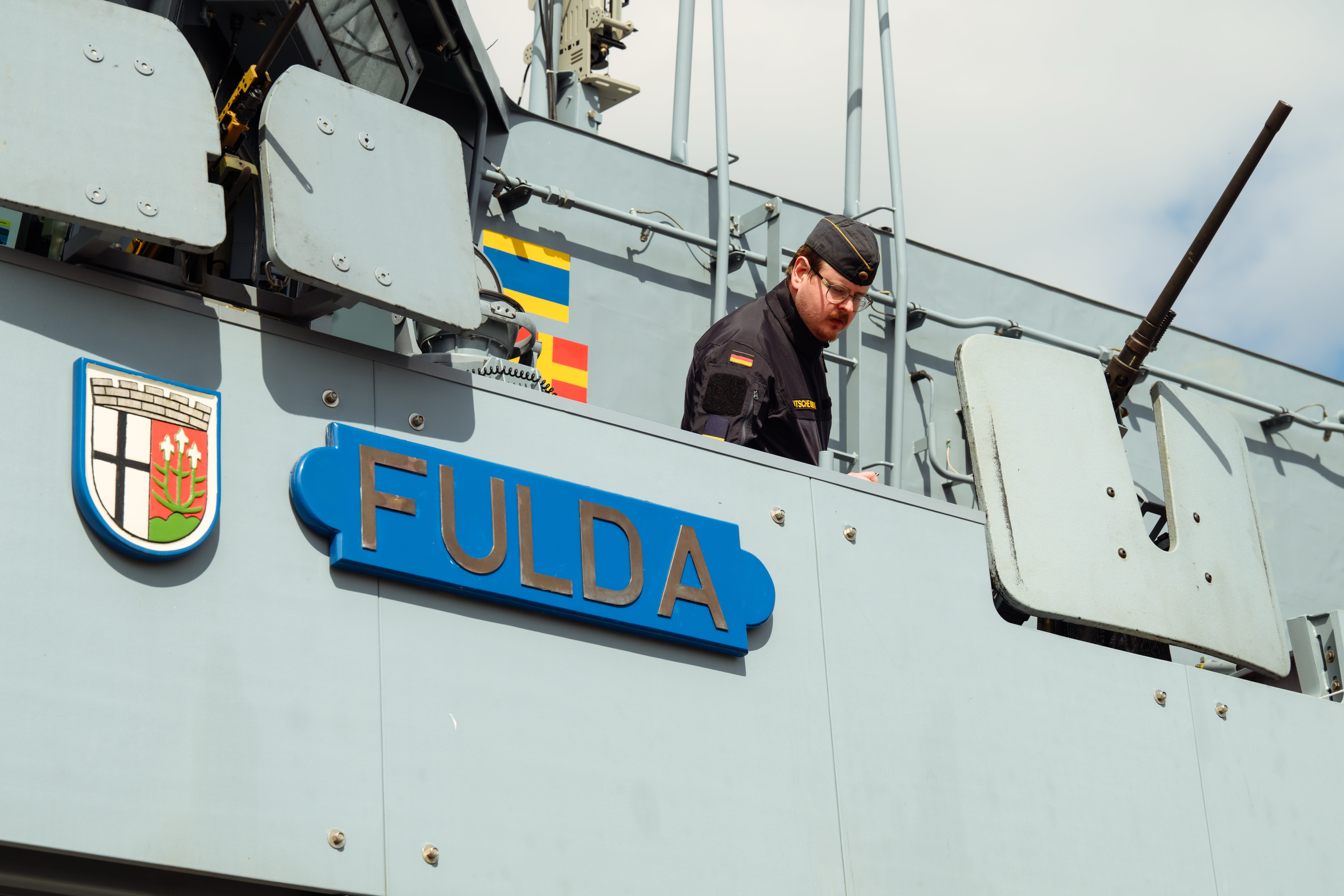
Germany is among a number of countries that have offered help in securing the shipping lane, but only if an Iran ceasefire deal turns out to be lasting.
Amid ongoing tensions in the Middle East and a desire to secure critical shipping lanes, Germany is taking concrete steps towards a multinational naval presence in the Red Sea and Gulf region.
This move highlights a growing willingness of European powers to project military force independently and contribute to regional stability, potentially influencing global trade routes and security dynamics.
Germany's direct military deployment to Djibouti for a potential Hormuz mission signifies a practical escalation of European security involvement in a strategically vital area, contingent on de-escalation with Iran.
- · Germany (geopolitical influence)
- · European shipping companies
- · Regional stability efforts
- · Houthi rebels (potential deterrence)
- · Iran (if ceasefire fails)
- · Global trade disruption (mitigated)
Increased European naval presence in the Red Sea and Gulf of Hormuz aimed at securing maritime passage.
Reinforcement of international efforts to mediate and maintain a lasting ceasefire agreement with Iran.
Potential for a more robust and independent European security architecture and operational capacity in critical global chokepoints, reducing reliance on other major powers.
This signal links to a primary source. Continuum Brief monitors and indexes it as part of the live intelligence stream — we do not republish source content.
Read at Defense News