Germany scraps F126 frigate program, pivots to MEKO warships amid cost and contractor chaos
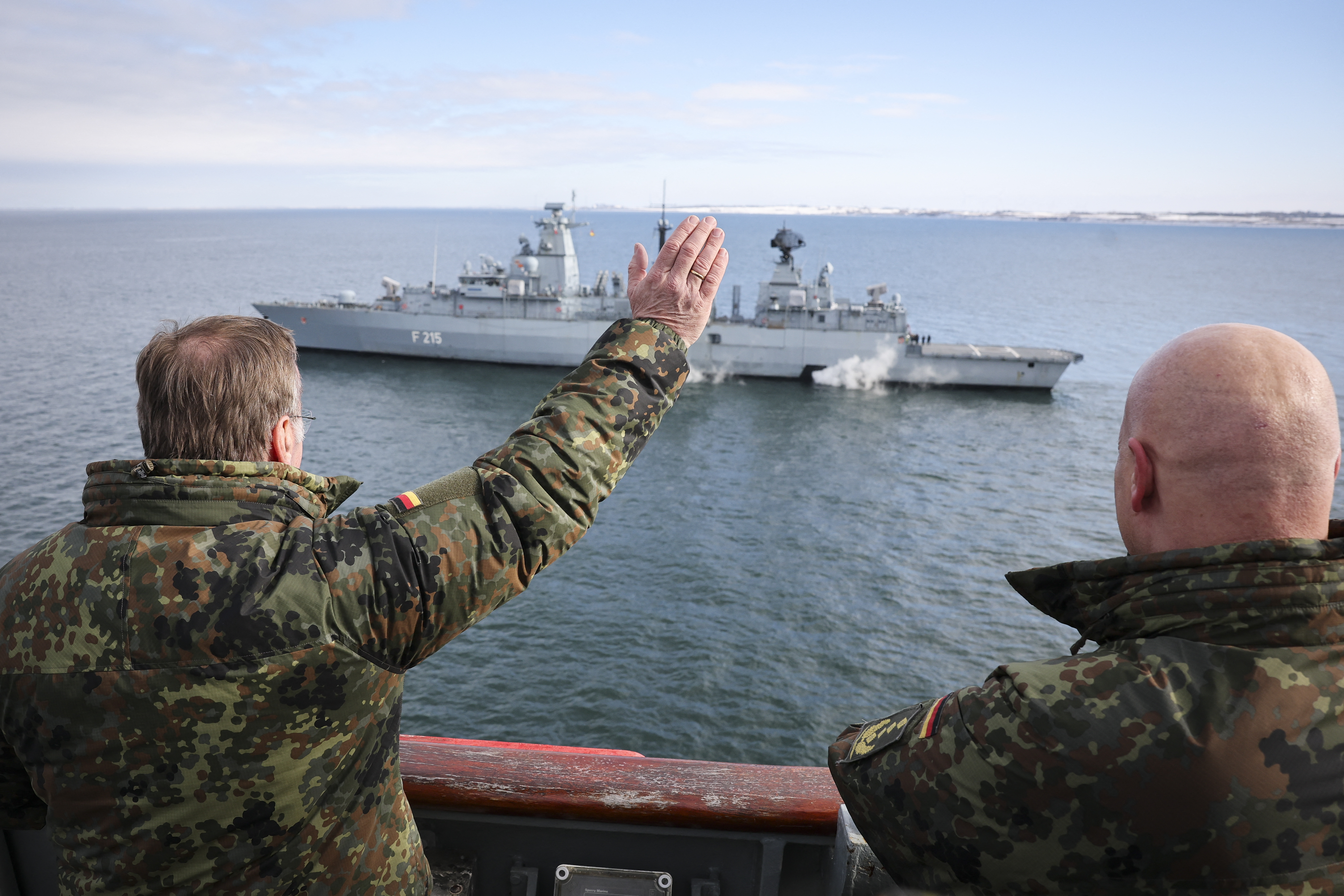
Germany Navy leaders have already blessed the fallback ships as capable of meeting NATO capability requirements, but an alliance deadline looms.
The decision to scrap the F126 program and pivot to MEKO warships is driven by escalating costs and contractor issues, forcing Germany to find an alternative to meet NATO's looming capability requirements.
This event highlights the systemic challenges within Western defense industrial base projects, including cost overruns and delays, which impact strategic capabilities and alliance commitments.
Germany will now pursue a different naval acquisition strategy, impacting its industrial base, defense budget allocation, and potentially creating a precedent for other NATO members facing similar issues.
- · MEKO warship manufacturers
- · German naval shipbuilders (involved in MEKO)
- · NATO (if requirements are met rapidly)
- · F126 frigate program contractors
- · German Navy (initial delays)
- · European defense project planners
Germany will fast-track the acquisition and construction of MEKO warships to fulfill its naval obligations.
Other European nations may review their own large-scale defense procurement programs due to cost and timeline concerns, potentially favoring more agile or proven designs.
This could lead to a broader re-evaluation within NATO of how defense industrial capabilities are structured and funded to avoid future program failures and ensure timely delivery of essential assets.
This signal links to a primary source. Continuum Brief monitors and indexes it as part of the live intelligence stream — we do not republish source content.
Read at Defense News