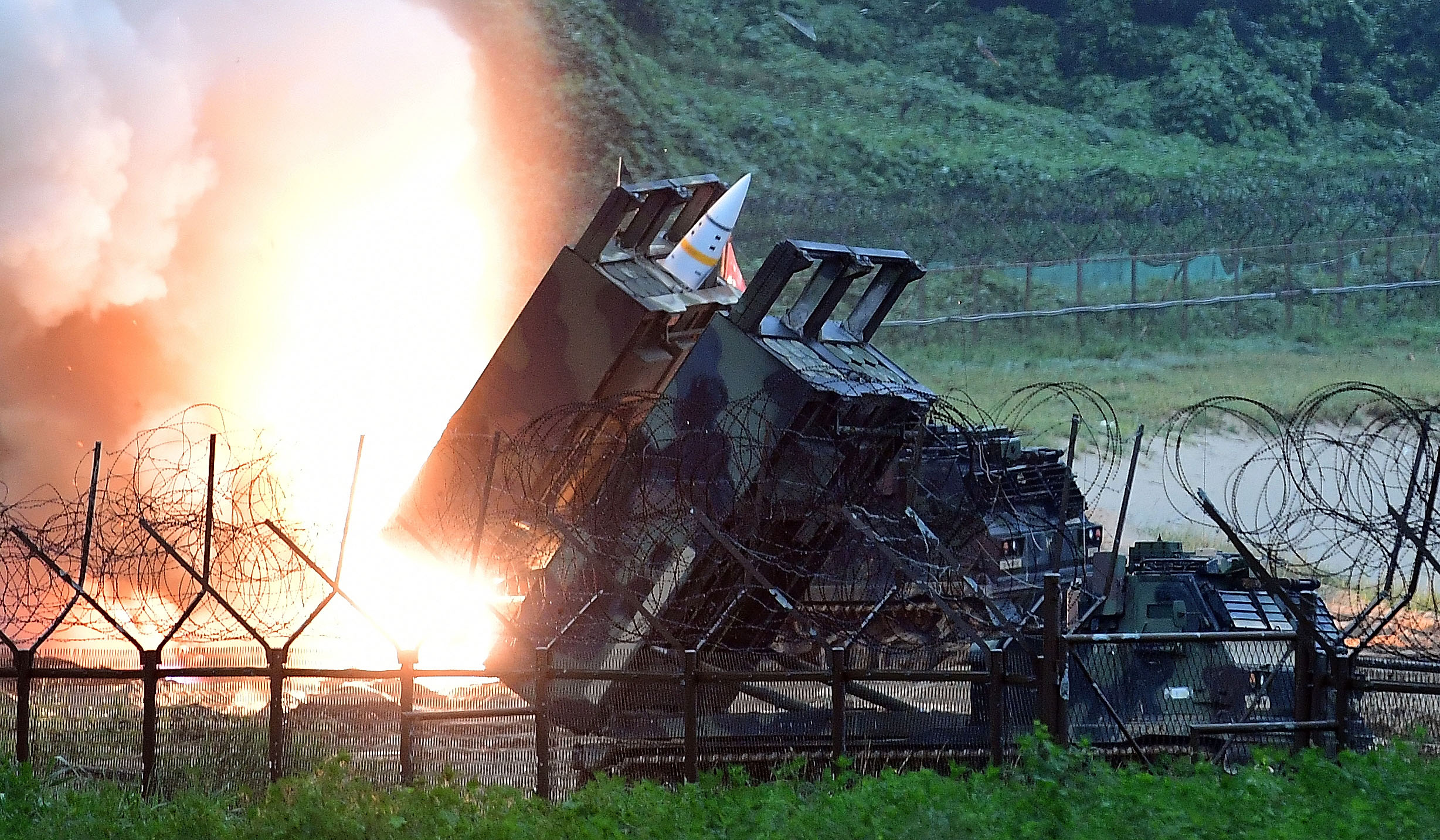
The move addresses a bottleneck, as Lockheed Martin has been winding down ATACMS output at its Camden, Arkansas, site while prioritizing newer missiles.
Western nations are actively re-evaluating and strengthening their defense industrial capabilities in light of ongoing geopolitical tensions and the need for greater self-sufficiency.
This move signals a fragmentation of the global defense supply chain, increasing European autonomy in critical missile production and reducing reliance on a sole US manufacturing base.
Germany will host ATACMS missile production, diversifying the manufacturing footprint for a key munition and potentially accelerating its availability for NATO allies.
- · Germany
- · European defense manufacturing
- · NATO allies
- · Lockheed Martin
- · US sole-source defense suppliers (general)
- · Adversarial nations dependent on US defense production bottlenecks
Expanded ATACMS production capacity will reduce lead times and increase inventory for allied forces.
This decentralization could encourage other European nations to seek similar domestic or regional production capabilities for critical defense assets.
Increased European defense industrial autonomy might lead to greater alignment and standardization of munitions within the EU/NATO, fostering a more integrated defense posture.
This signal links to a primary source. Continuum Brief monitors and indexes it as part of the live intelligence stream — we do not republish source content.
Read at Defense News