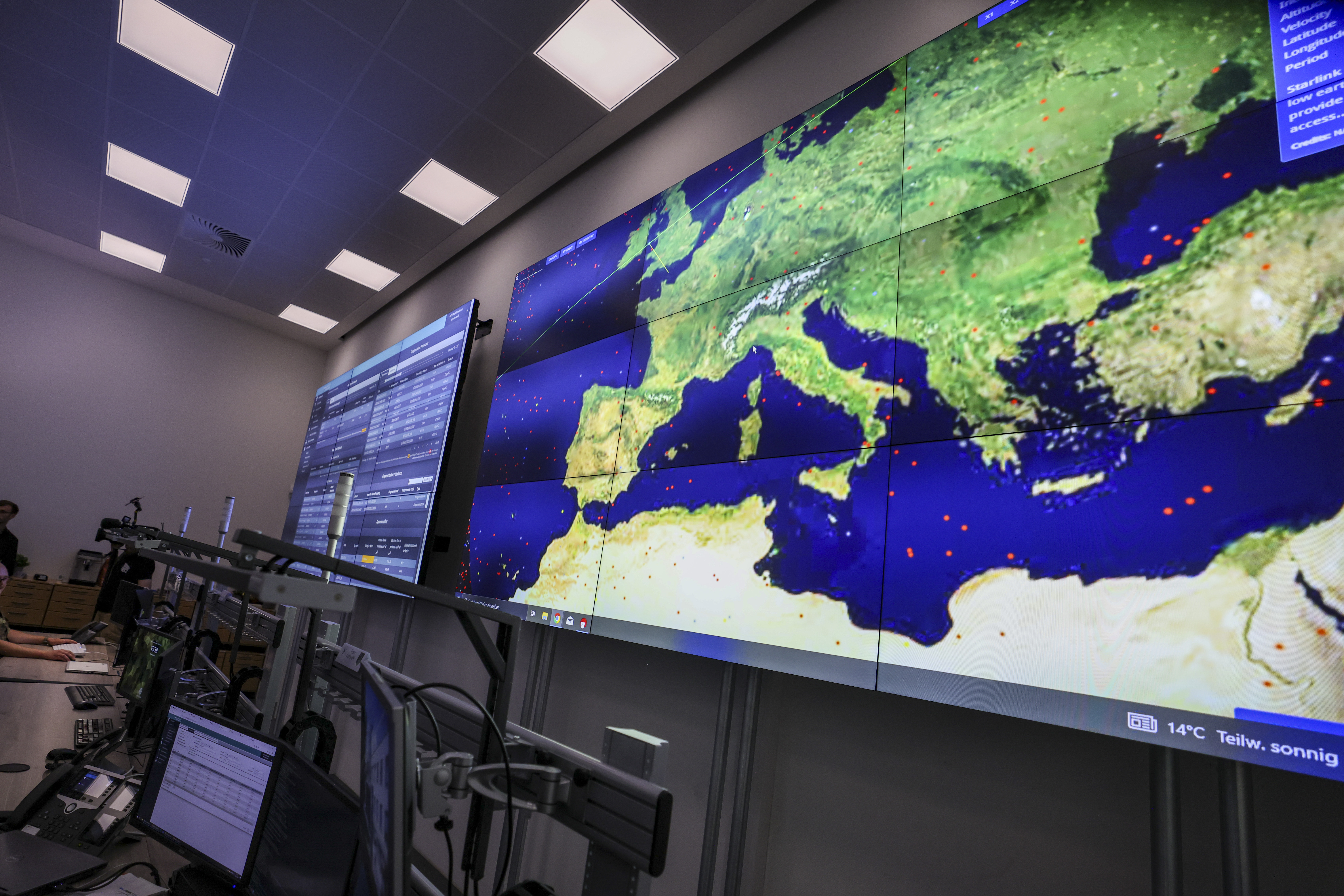
Austria’s Defense Minister Claudia Tanner reaffirmed that Austria plans to put three operationally designated military satellites into orbit next year.
European nations are actively pursuing greater strategic autonomy in space, evidenced by both Germany's space command initiative and Austria's satellite deployment plans, driven by geopolitical shifts and a desire to reduce reliance on US technology.
This move signifies a concrete step towards diversifying space infrastructure, potentially leading to new defense tech capabilities and altering international power dynamics in space.
Europe is moving to develop independent military space assets and command structures, challenging existing dependencies and fostering a more multi-polar space environment.
- · Austrian defense sector
- · European space industry
- · German defense agencies
- · US space tech providers (potentially)
- · Existing US satellite service providers
Austria strengthens its defense capabilities and intelligence gathering through independent satellite operations.
Increased European collaboration on space defense projects becomes more likely, fostering an indigenous European space industrial base.
A more fragmented and competitive military space environment emerges, with potential implications for international space-related norms and arms control.
This signal links to a primary source. Continuum Brief monitors and indexes it as part of the live intelligence stream — we do not republish source content.
Read at Defense News