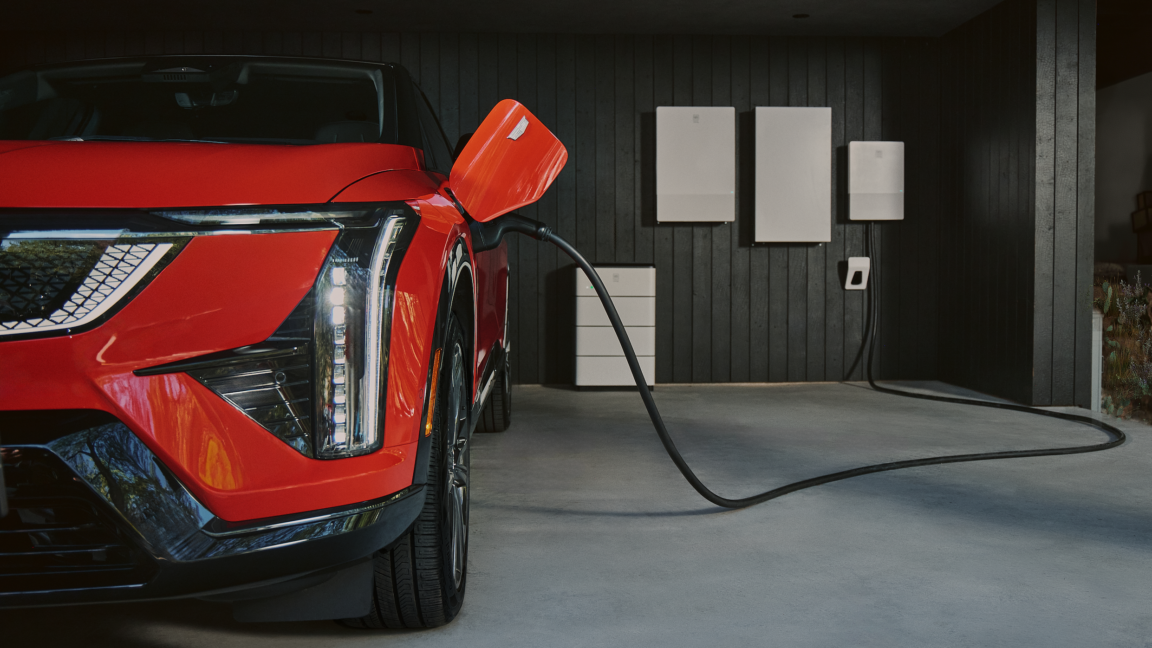
There are more than a quarter of a million V2G-capable GM EVs on the roads already.
The push for sustainable energy solutions and the increasing adoption of EVs converge, making vehicle-to-grid (V2G) technology a critical enabler for grid stability and renewable energy integration. The introduction of new battery chemistry like sodium-ion aims to address cost and supply chain challenges.
This development indicates a strategic move by a major automotive player to integrate EVs into the broader energy ecosystem, accelerating grid modernization and reducing reliance on fossil fuels. It also signals diversification in battery technology, which is crucial for supply chain resilience.
V2G support turns electric vehicles into distributed energy resources, potentially transforming grid management and energy consumption patterns. The adoption of sodium batteries offers a more abundant and potentially cheaper alternative to lithium-ion, impacting battery manufacturing and EV affordability.
- · GM Energy (subsidiary of GM)
- · EV owners with V2G-capable vehicles
- · Renewable energy sector
- · Grid operators
- · Traditional peaking power plants
- · Lithium mining companies (long-term, relative impact)
- · Fossil fuel generators
Mass adoption of V2G will lead to improved grid stability and efficiency due to distributed energy storage.
Reduced demand for centralized power generation as EVs become significant contributors to grid supply, especially during peak hours.
This could accelerate the transition to a fully decarbonized energy grid, making intermittent renewables more viable and fostering energy independence for communities.
This signal links to a primary source. Continuum Brief monitors and indexes it as part of the live intelligence stream — we do not republish source content.
Read at Ars Technica — Cars