GM gets datacenter fever, decides to build grid-scale sodium-ion batteries
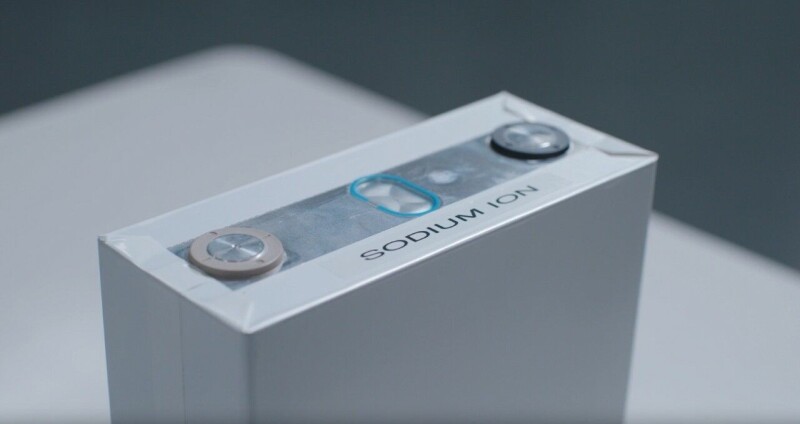
Detroit automaker partners with Peak Energy to try a saltier route to energy storage
The increasing demand for energy storage, particularly for industrial applications and grid stability, is driving innovation beyond traditional lithium-ion chemistries due to supply chain and cost considerations.
This move signals a growing industrial adoption of alternative battery technologies, which could diversify the energy storage supply chain and provide more resilient, scalable solutions for large-scale power needs.
General Motors, a major industrial player, is directly entering the grid-scale energy storage market with a non-lithium technology, indicating a strategic shift towards self-reliance and innovation in power infrastructure.
- · Peak Energy
- · Sodium-ion battery manufacturers
- · Industrial operations seeking energy independence
- · Grid operators
- · Traditional lithium-ion battery suppliers (for grid-scale applications)
- · Fossil fuel generators (as energy storage improves)
- · Companies slow to adapt to new battery chemistries
GM gains a competitive advantage in energy management for its operations and potentially offers this solution commercially.
Broader adoption of sodium-ion batteries could reduce overall energy storage costs and improve grid reliability globally.
This diversified energy storage ecosystem could accelerate the transition to renewable energy sources by mitigating intermittency challenges.
This signal links to a primary source. Continuum Brief monitors and indexes it as part of the live intelligence stream — we do not republish source content.
Read at The Register