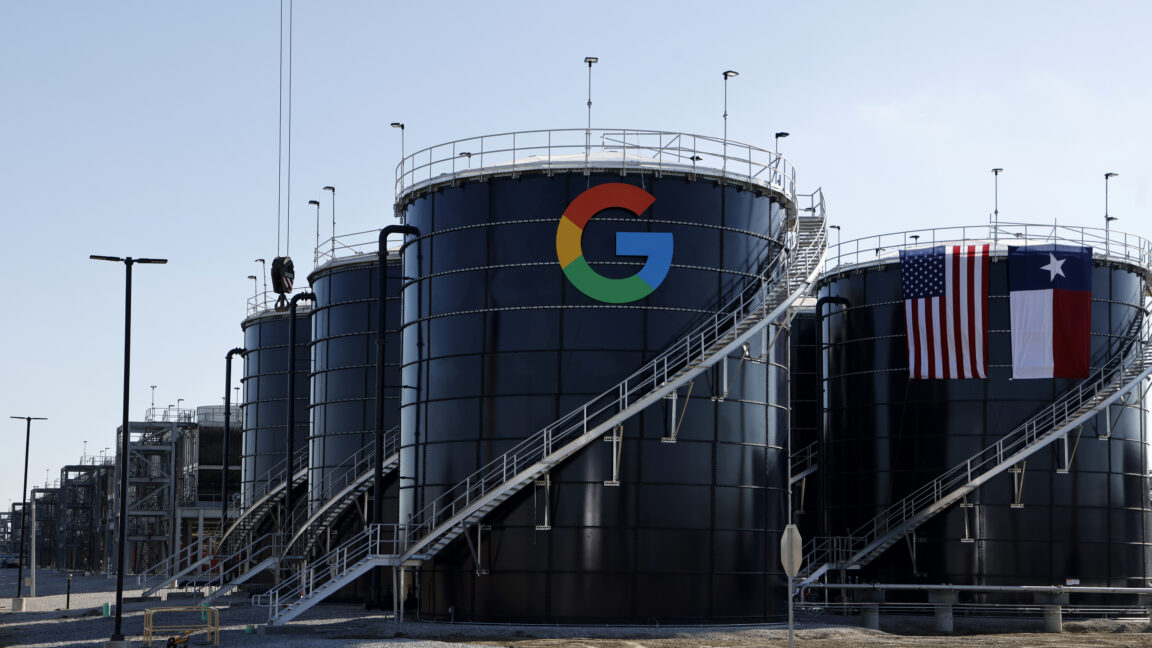
Google tries balancing AI data center emissions with clean energy efforts.
This report highlights the immediate and substantial energy demands driven by the accelerated buildout of AI infrastructure in 2025, underscoring the growing concern around sustainability and resource allocation.
This information is critical for understanding the true cost and resource intensity of the AI boom, forcing a re-evaluation of energy infrastructure, regulatory frameworks, and green initiatives.
The scale of Google's electricity increase demonstrates that AI's energy footprint is growing faster than anticipated, making clean energy integration and grid stability more urgent priorities.
- · Clean energy providers
- · Energy efficiency technology companies
- · Data center cooling solutions
- · Traditional energy providers (if unable to adapt)
- · Regions with limited grid capacity
- · Companies with high carbon reduction targets and high AI usage
Major hyperscalers will face increased pressure to decarbonize their operations and report transparently on energy consumption.
Governments and regulatory bodies will accelerate discussions on energy quotas or specific policies for high-consumption AI infrastructure.
The search for novel, less energy-intensive computing architectures and materials will intensify significantly, potentially driving new fundamental research.
This signal links to a primary source. Continuum Brief monitors and indexes it as part of the live intelligence stream — we do not republish source content.
Read at Ars Technica — AI