Google testing controversial webcam-based reCAPTCHA that asks for a hand scan to prove you're human — testers beat it with a stock photo
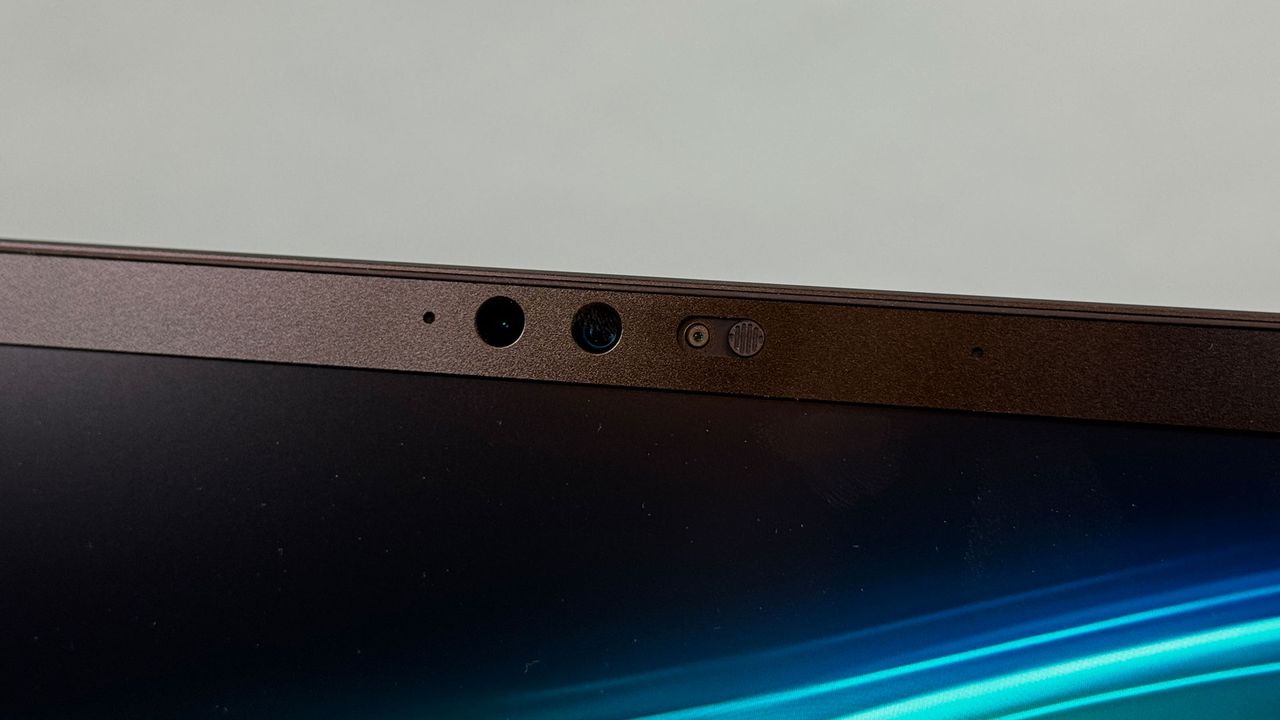
Google is testing a reCAPTCHA check that switches on a user's camera and asks them to wave or hold up an open palm.
Amidst increasing sophistication of AI bots and automated systems, companies like Google are constantly seeking new methods to differentiate humans from machines, leading to more complex verification processes.
This development highlights the escalating arms race between AI-driven automation and human-centric security, with implications for online privacy, accessibility, and the future of digital identity verification.
Google is introducing a more invasive and potentially problematic reCAPTCHA method that relies on user biometrics via webcams, shifting the burden of proof further onto human users.
- · AI companies developing sophisticated bot detection
- · Cybersecurity firms offering advanced authentication solutions
- · Users concerned about privacy and surveillance
- · Users without webcams or with disabilities affecting hand movements
- · Companies relying on CAPTCHA for bot protection if this method proves easily byp
Initial implementation of webcam-based reCAPTCHA will likely face significant user resistance and privacy concerns.
The public outcry and ease of bypass could lead to Google abandoning or heavily re-evaluating this specific biometric reCAPTCHA approach.
The incident could accelerate the exploration of alternative, less intrusive, and more robust human verification methods, or push for identity solutions that don't rely on challenge-response puzzles.
This signal links to a primary source. Continuum Brief monitors and indexes it as part of the live intelligence stream — we do not republish source content.
Read at Tom's Hardware