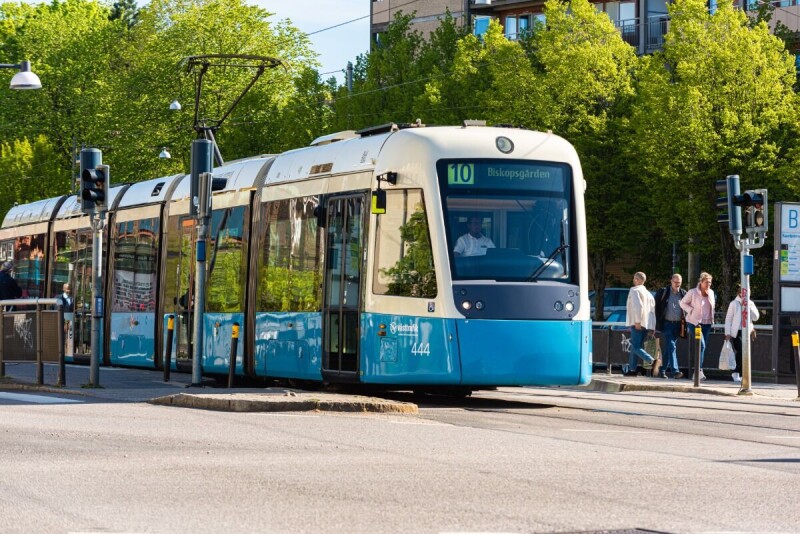
Autonomous shuttle's second passenger trip ends with rear-end collision and a tow truck
The incident occurs amidst the ongoing rollout and testing of autonomous vehicle technologies in urban environments, highlighting the current challenges in achieving full autonomy.
This event provides a real-world data point on the early struggles of autonomous public transport, influencing public perception, regulatory scrutiny, and the pace of adoption.
The immediate consequence is likely increased caution and scrutiny in the deployment of autonomous public transport, potentially leading to revised testing protocols or public engagement strategies.
- · Traditional public transport providers
- · Autonomous vehicle sensor manufacturers (post-incident analysis)
- · Tow truck operators
- · Autonomous shuttle developers
- · Cities adopting autonomous transport programs
- · Public confidence in autonomous vehicles
An immediate re-evaluation of safety protocols and operational readiness for autonomous public transport systems.
Increased public and regulatory pressure for more rigorous testing and transparent reporting of autonomous vehicle incidents.
A potential slowdown in the broader adoption curve for self-driving public transport, with a stronger emphasis on hybrid human-supervised models in the short to medium term.
This signal links to a primary source. Continuum Brief monitors and indexes it as part of the live intelligence stream — we do not republish source content.
Read at The Register