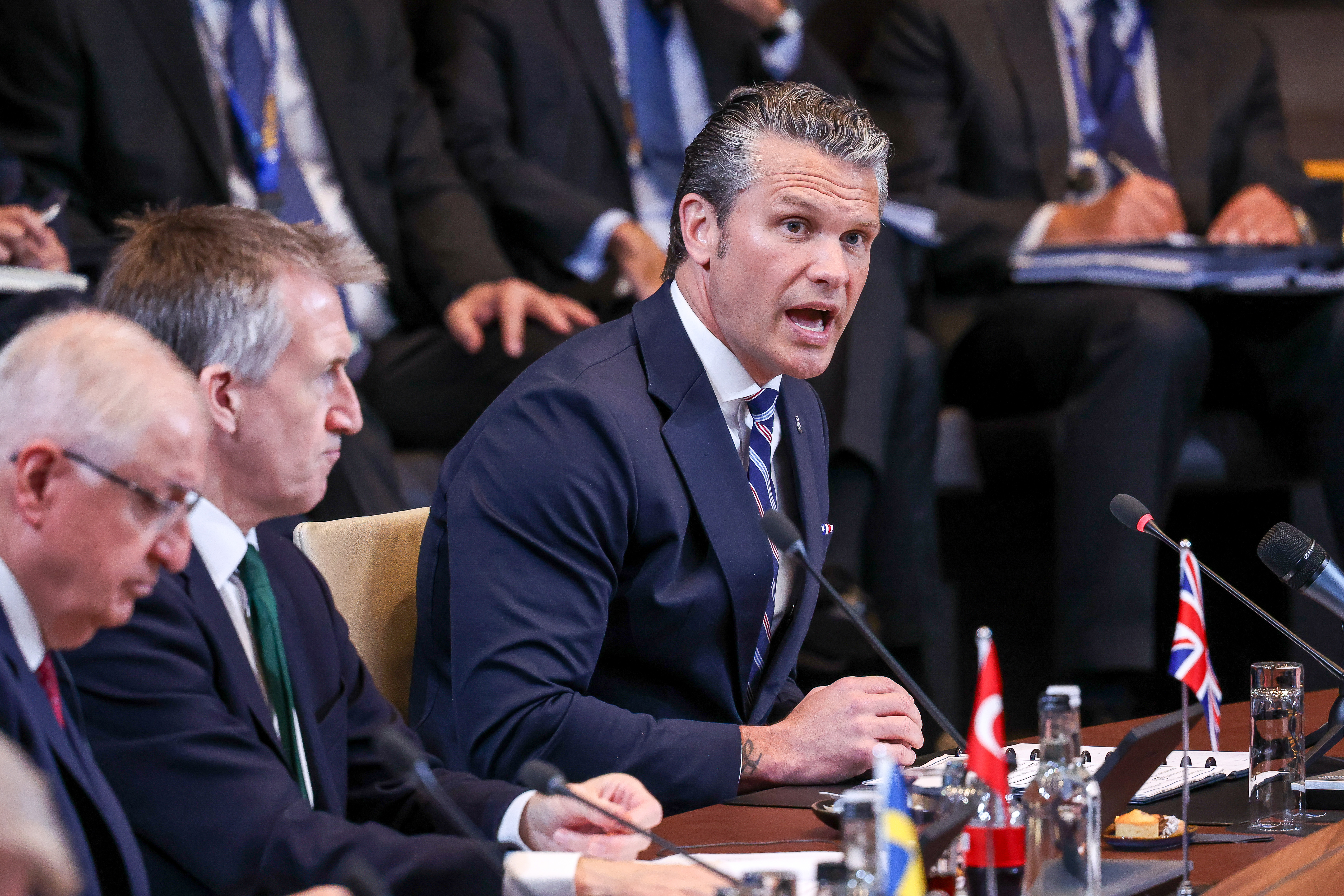
The comments offer new insights into the internal mechanics Trump administration have in mind for re-evaluating force levels on the continent.
The comments are surfacing in anticipation of a potential second Trump administration, indicating a re-evaluation of US foreign policy and defense commitments.
A strategic reader should care because re-evaluating US force levels in Europe signifies a potential pivot in transatlantic defense strategy and burden-sharing, with significant geopolitical and economic implications.
The stated intent to review US troops in Europe changes the pre-existing assumption of stable US military presence and suggests a more transactional approach to alliances may be on the horizon.
- · US taxpayers
- · Defence industries in US for domestic focus
- · European nations increasing defense spending
- · European allies relying on US military presence
- · NATO political unity
- · Russia (potentially facing a more unified, independent European defence)
The US will likely reduce its military footprint in Europe, demanding greater financial and military contributions from European allies.
European nations will accelerate efforts to build more integrated and autonomous defense capabilities, potentially leading to a stronger, more independent European security architecture.
This shift could fundamentally alter the balance of power within NATO and globally, creating new alliances or exacerbating existing geopolitical tensions.
This signal links to a primary source. Continuum Brief monitors and indexes it as part of the live intelligence stream — we do not republish source content.
Read at Defense News