‘Hell ship’ responsible for the largest single-day loss of Allied POWs discovered after more than 80 years
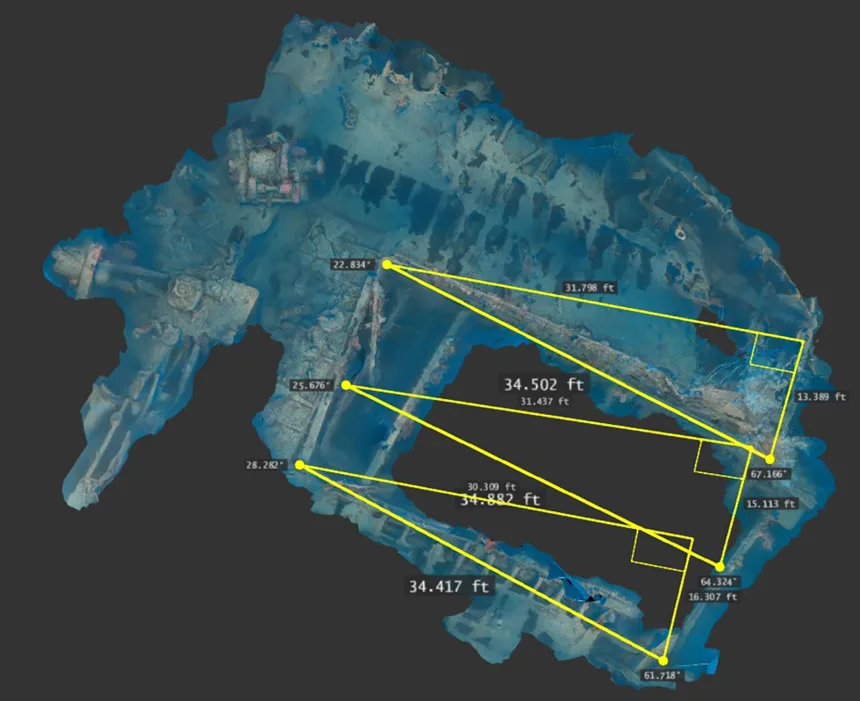
More than 80 years after its sinking, buried documents in both the American and Japanese archives held the key to locating the "hell ship” Hōfuku Maru.
The discovery is a result of advanced archaeological technology, persistent research into historical archives, and the passage of time enabling access to previously buried information.
While historically significant for the families involved, the discovery of a WWII shipwreck eighty years later does not fundamentally alter current geopolitical or technological landscapes.
The primary change is the resolution of a historical mystery and the provision of closure for those affected by the Hōfuku Maru tragedy.
- · Marine archaeology
- · Naval historians
- · Families of victims
The immediate effect is a renewed focus on World War II maritime history and the narratives of POWs.
This discovery could prompt further searches for other lost WWII vessels and historical sites.
It might also inspire new historical documentaries or educational initiatives focusing on the human cost of war.
This signal links to a primary source. Continuum Brief monitors and indexes it as part of the live intelligence stream — we do not republish source content.
Read at Navy Times