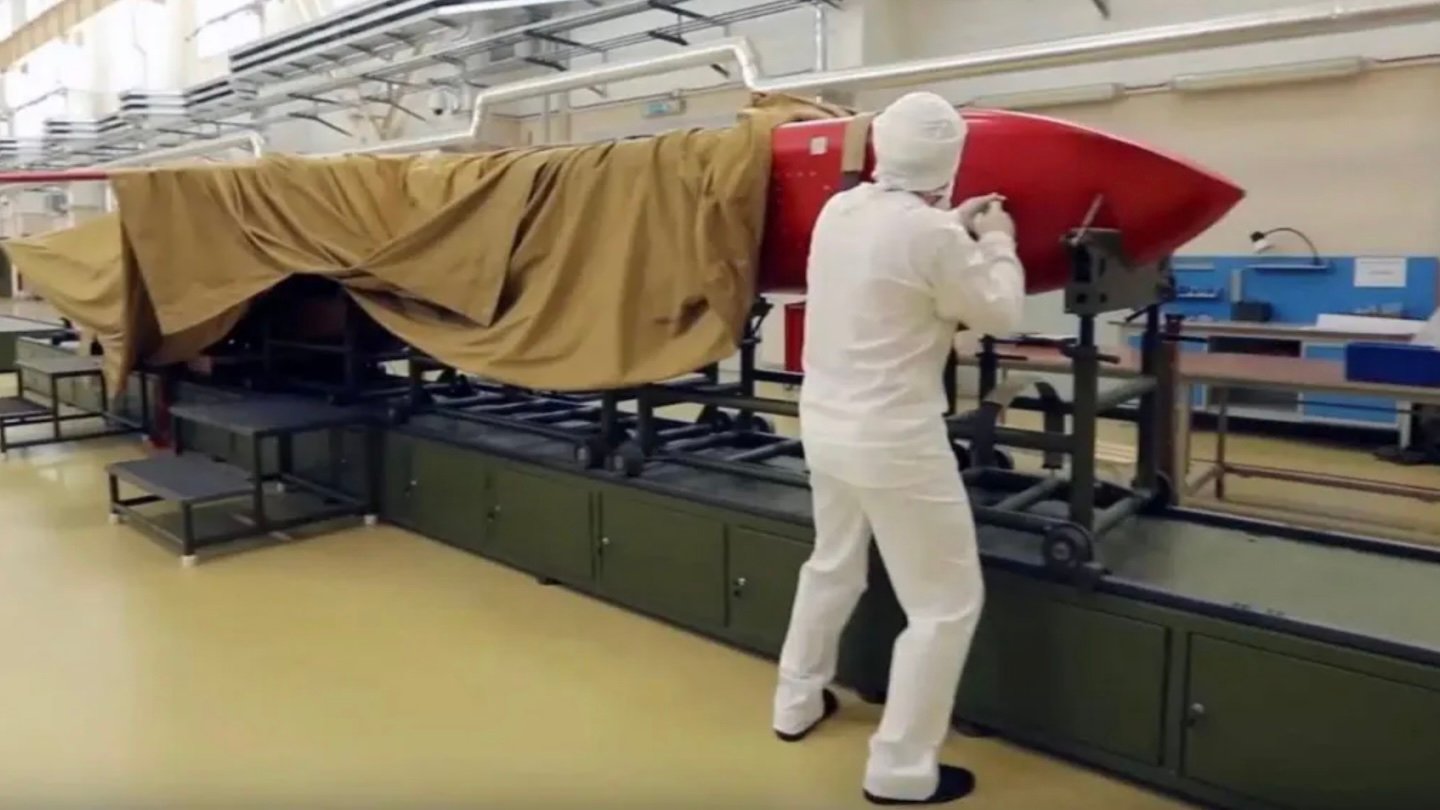
Researchers conclude the nuclear-powered cruise missile almost certainly uses a direct-cycle engine that spews radioactive material throughout its flight. The post Here Is How Russia’s Skyfall Nuclear-Powered Cruise Missile Actually Works appeared first on The War Zone .
Ongoing geopolitical tensions and Russia's declared intent to develop advanced strategic weapons bring renewed focus to its nuclear-powered cruise missile programs.
This development indicates a renewed nuclear arms race and the proliferation of potentially destabilizing weapons systems with global reach and unprecedented endurance.
The understanding of Russia's 'Skyfall' missile now includes credible details about its highly hazardous propulsion mechanism, confirming it as a significant threat that disperses radioactive material.
- · Russian strategic forces
- · Nuclear weapon developers
- · Global non-proliferation efforts
- · Environmental safety
- · Nuclear arms control treaties
The confirmation of a direct-cycle nuclear engine in 'Skyfall' reveals a weapon with virtually unlimited range but also inherent environmental risks during its operation and potential failure.
This could accelerate other nations' research into similar strategic weapons or counter-proliferation technologies, fueling a new phase of the arms race.
The environmental hazard posed by such a missile could lead to international diplomatic incidents or heightened concerns over radioactive contamination in the event of deployment or testing.
This signal links to a primary source. Continuum Brief monitors and indexes it as part of the live intelligence stream — we do not republish source content.
Read at The War Zone