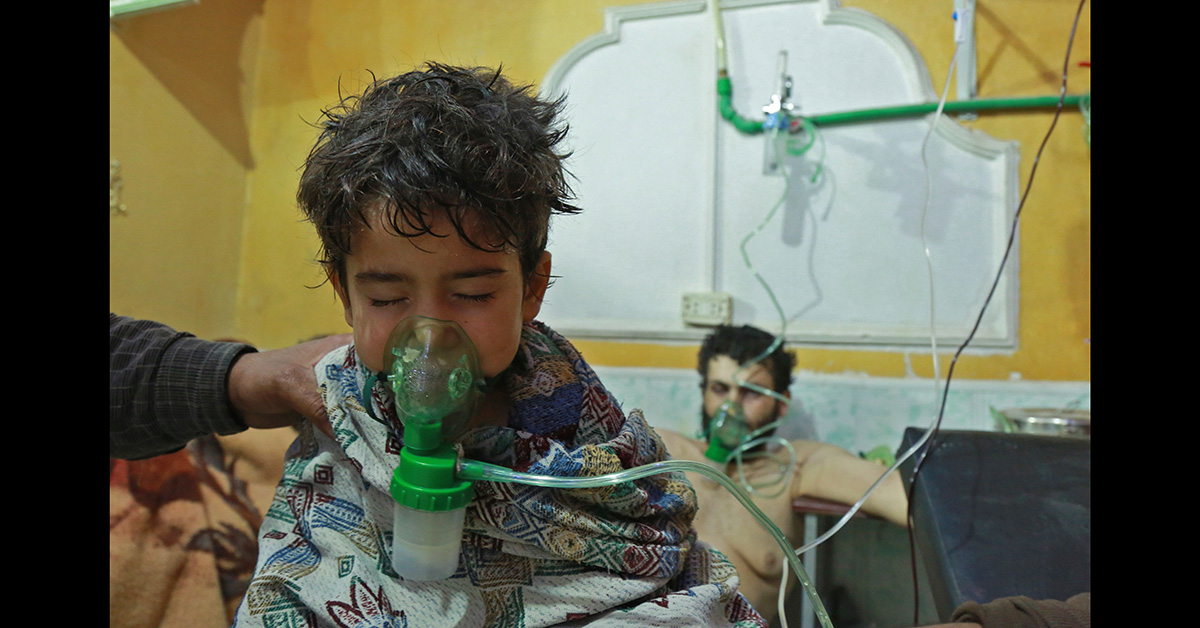
Over a decade after Syria agreed to dismantle its arsenal, international inspectors have uncovered scores of previously hidden chemical weapons materials.
The discovery of previously hidden chemical weapons sites emerges amid a fragile security transition in Syria, indicating ongoing challenges to international arms control and regional stability.
This development underscores the persistent threat of unconventional weapons proliferation and the difficulties in verifying disarmament agreements, impacting international security and non-proliferation efforts.
The international community must now re-evaluate its strategies for monitoring and enforcing chemical weapons bans, potentially leading to renewed diplomatic pressure and inspection mandates.
- · International arms control organizations
- · Intelligence agencies
- · Syrian government
- · Regional stability
- · Chemical weapons disarmament efforts
Increased international scrutiny and pressure on Syria regarding its chemical weapons program will follow.
This could lead to new sanctions or calls for more robust verification mechanisms across other non-proliferation treaties.
The revelation might embolden other state or non-state actors to secretly maintain or develop illicit weapons, perceiving current oversight as weak.
This signal links to a primary source. Continuum Brief monitors and indexes it as part of the live intelligence stream — we do not republish source content.
Read at Defense News