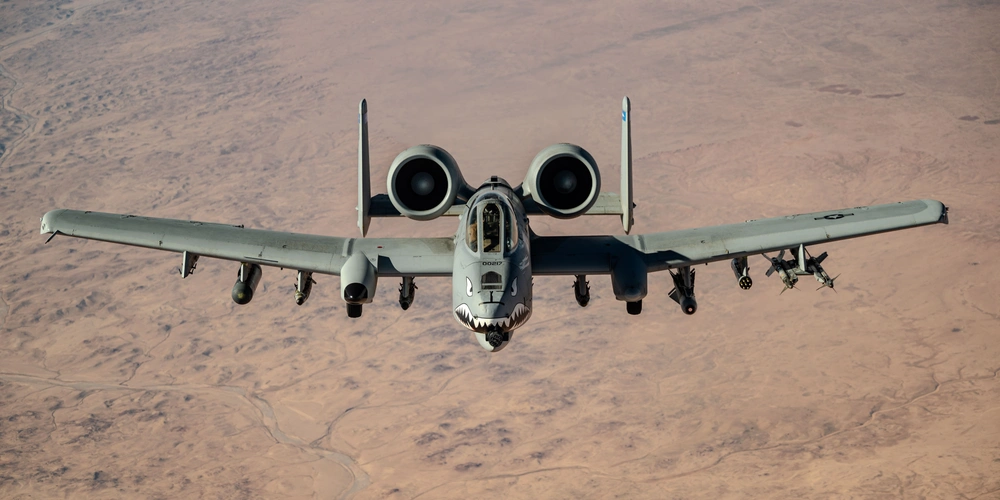
House lawmakers approved provisions allowing the A-10 Warthog to stay in service through its planned 2030 retirement.
The decision reflects ongoing debates within the US defense establishment about balancing legacy systems with the urgent need for modernization and autonomous capabilities amidst evolving geopolitical threats.
This indicates a legislative push to extend the life of proven but aging assets while simultaneously acknowledging the imperative to develop and integrate next-generation defense technologies.
The US Air Force will maintain a critical close air support platform for an extended period, while funding and strategic focus will likely be reallocated to accelerate autonomous successors.
- · A-10 maintenance & support contractors
- · Close Air Support (CAS) operations
- · Opponents of legacy platform extensions
- · Faster adoption of next-gen autonomous replacements
The A-10 Warthog continues its service for an additional four years, maintaining current operational capabilities.
Increased pressure and funding are likely to be directed towards the rapid development and fielding of autonomous uncrewed combat aircraft to replace the A-10 and other legacy systems.
This dual approach could highlight the challenges of transitioning from crewed to autonomous platforms, influencing future defense procurement strategies and doctrines globally.
This signal links to a primary source. Continuum Brief monitors and indexes it as part of the live intelligence stream — we do not republish source content.
Read at Air Force Times