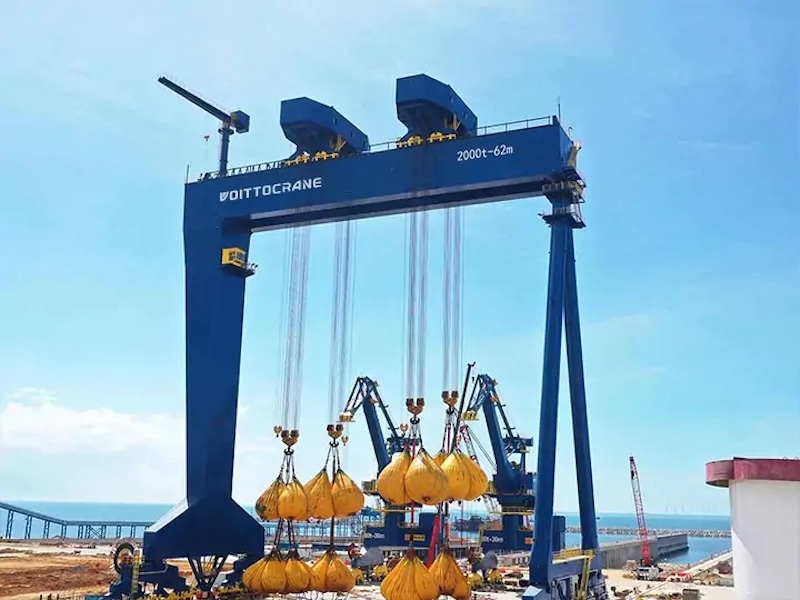
Container gantry cranes have long been the backbone of global port logistics. However, in 2026, these towering machines are undergoing a profound transformation. Driven by automation, artificial intelligence, and the growing pressure to reduce emissions, container gantry cranes are no longer just mechanical workhorses – they are becoming intelligent, connected systems that redefine how ports […]
The convergence of advanced AI, improved automation technologies, and increasing pressure for operational efficiency and emissions reduction is driving the transformation of port logistics now.
This development indicates a significant upgrade in global supply chain infrastructure, impacting trade efficiency, labor markets, and the competitive landscape of port operations worldwide.
Port operations are shifting from labor-intensive, mechanically reliant processes to highly automated, AI-driven systems, enhancing speed, reducing costs, and improving environmental performance.
- · Port operators investing in automation
- · Automation technology providers
- · Global logistics companies
- · AI developers
- · Ports slow to adopt automation
- · Manual crane operators
- · Traditional port equipment manufacturers
- · Less developed shipping lines
Increased throughput and efficiency at automated ports will lead to faster global shipping times.
Automation will likely displace a significant portion of manual labor in port operations, necessitating new workforce training programs.
The enhanced efficiency of automated ports could concentrate global trade through a smaller number of highly advanced hubs, potentially marginalizing less automated regions.
This signal links to a primary source. Continuum Brief monitors and indexes it as part of the live intelligence stream — we do not republish source content.
Read at Robotics & Automation News