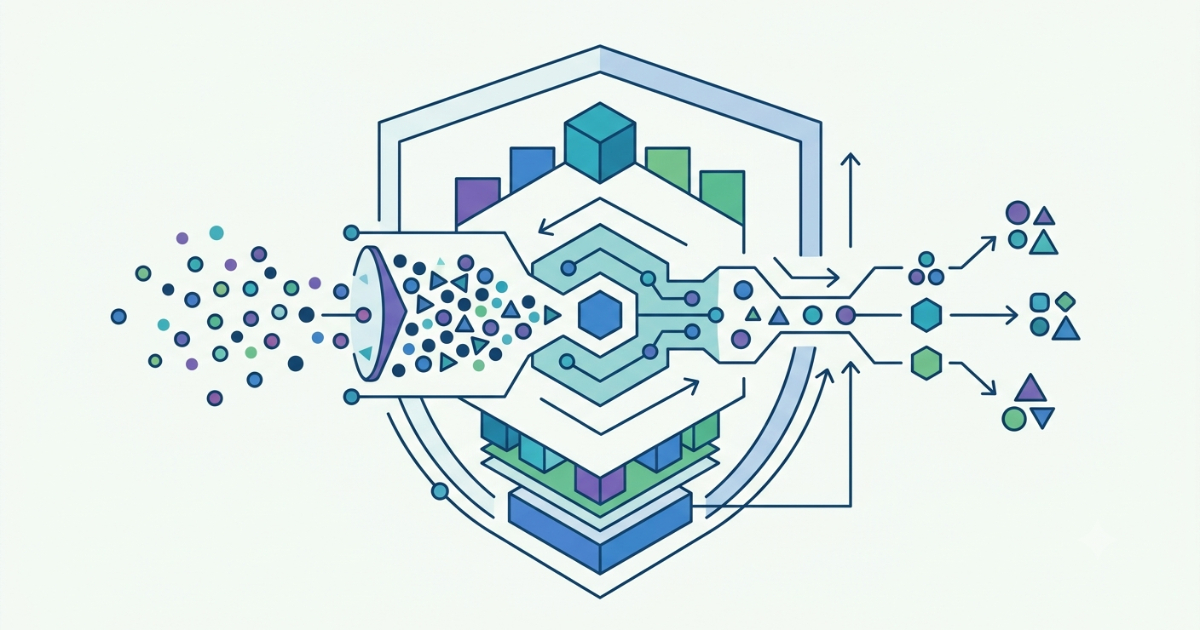
SaaS software vendor HubSpot has described how its semantic search platform grew from a proof of concept into an internal service that now manages more than 20 billion vectors across 38-plus teams. The company says the system now supports agents, RAG, and contact deduplication, and that the increase in agent usage has made retrieval quality and latency more important than before. By Matt Saunders
The increased adoption of AI-driven features like RAG and agent usage is pushing the limits of existing vector database infrastructure, necessitating advanced scaling solutions.
This demonstrates enterprise-level scaling for essential AI components like semantic search, indicating increased maturity and operational demand for vector data processing.
The focus is shifting from basic vector database implementation to robust, scalable, and high-performance production systems capable of handling billions of vectors for diverse applications.
- · HubSpot
- · Vector database providers
- · SaaS companies adopting AI
- · DevOps and MLOps engineers
- · Companies with legacy search infrastructure
- · Less scalable vector database solutions
Massive scaling breakthroughs in vector databases will enable more sophisticated and pervasive AI applications across enterprises.
This will drive further investment into specialized hardware and software optimize for vector operations, creating new market segments.
The democratization of highly scalable semantic search could fundamentally alter how information is accessed and processed internally within large organizations.
This signal links to a primary source. Continuum Brief monitors and indexes it as part of the live intelligence stream — we do not republish source content.
Read at InfoQ