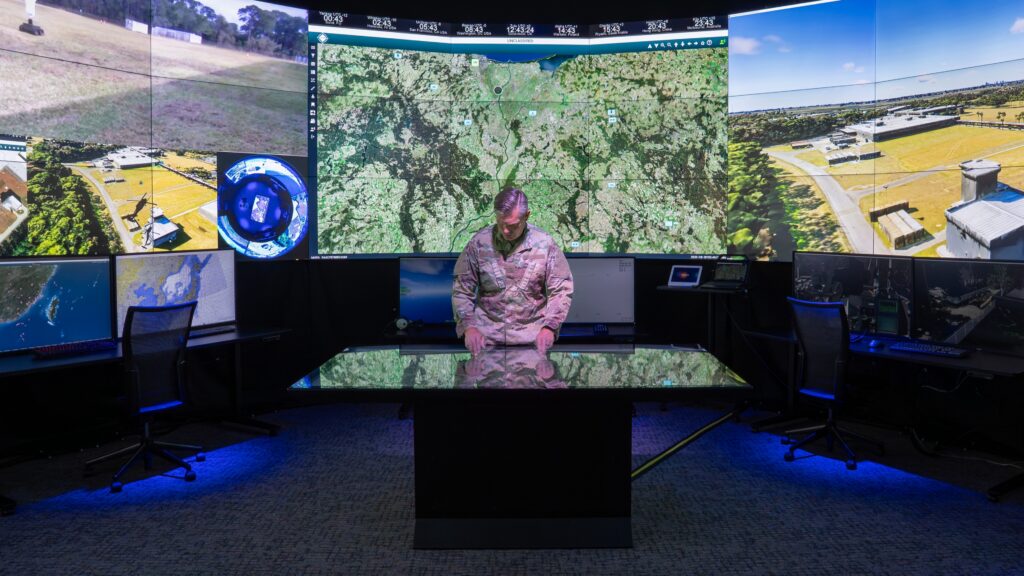
[Sponsored] Lockheed Martin’s ACES platform delivers a shared virtual battlespace that strengthens readiness, interoperability, and faster decision-making through advanced, integrated modeling and simulation capabilities designed for evolving global threats.
The ongoing geopolitical landscape and the need for enhanced collective defense within NATO are driving the urgency for advanced military simulation and integration.
This development highlights the increasing reliance on sophisticated digital tools to improve military readiness, interoperability, and decision-making for complex threat environments.
Traditional defense capabilities are being augmented and transformed by advanced modeling and simulation platforms, creating a more cohesive and responsive defense posture for European nations.
- · Lockheed Martin
- · NATO
- · European defense sectors
- · Defense tech companies
- · Adversarial nations relying on outdated military doctrines
- · Defense contractors without advanced simulation capabilities
European armed forces will gain enhanced training and operational planning capabilities through shared virtual environments.
This integration could lead to a more standardized and interoperable European defense architecture, reducing individual national redundancies.
The widespread adoption of such platforms might accelerate the development of autonomous warfare systems integrated into these digital battle spaces.
This signal links to a primary source. Continuum Brief monitors and indexes it as part of the live intelligence stream — we do not republish source content.
Read at Breaking Defense