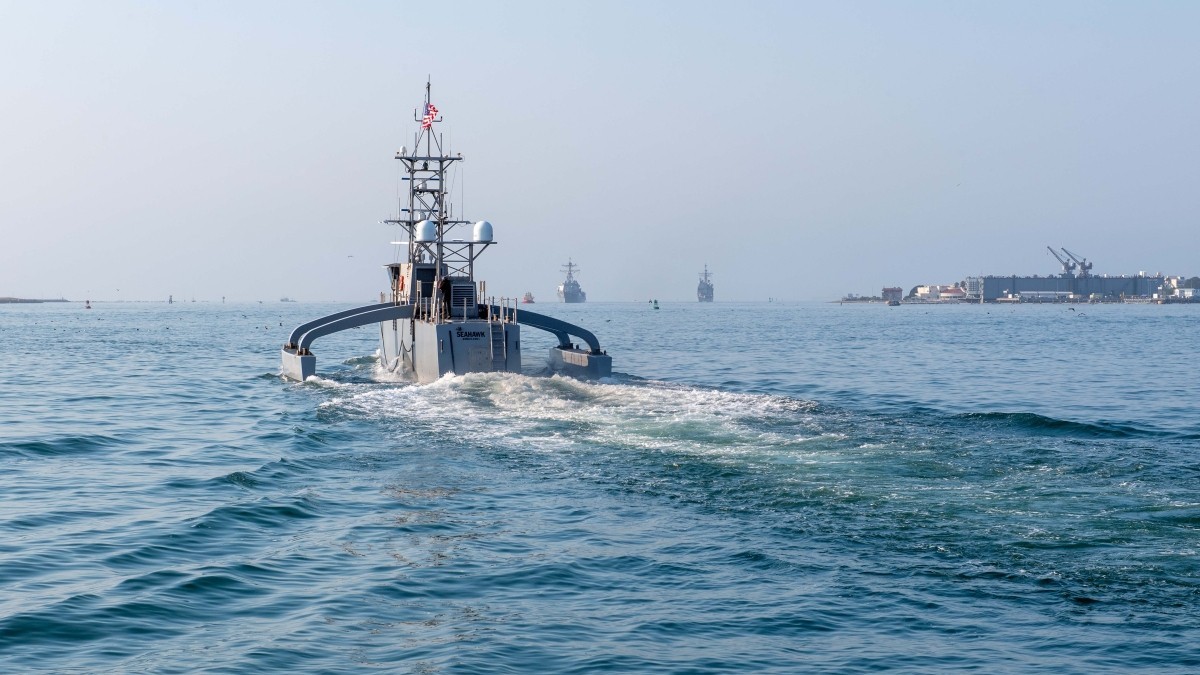
America’s defense industrial base cannot build the Navy out of the threat it faces. Decades of industry consolidation, persistent resource shortages, and inconsistent demand signals have delayed the production of critical vessels and munitions. With production bottlenecks stacking up, the Navy may have no choice but to let its allies do some of the building.Both the National Defense Strategy and Navy Warfighting Instructions highlight how mobilizing allies can field more forces to the mutual benefit of the United States and its strategic partners. Likewise, the latest U.S. Navy Shipbuilding Pl
The US defense industrial base's inability to meet Navy demands, exacerbated by decades of consolidation and inconsistent signals, is forcing a re-evaluation of production strategies.
This highlights a growing imperative for the US to leverage allied industrial capacity to maintain strategic military advantage, impacting global supply chains and defense alliances.
The US Navy is exploring co-production models where allies, such as Japan, assume a more significant role in manufacturing critical defense assets, shifting traditional defense procurement paradigms.
- · Japan's defense industry
- · US Navy readiness
- · Allied industrial bases
- · Military co-production frameworks
- · Overburdened US shipyards
- · Traditional US defense contractors unwilling to collaborate
- · Adversaries relying on US production bottlenecks
Increased output of naval vessels and munitions through diversified production lines.
Strengthened economic and strategic ties between the US and its co-producing allies, potentially leading to greater interoperability.
The emergence of a more distributed and resilient global defense industrial network, less vulnerable to single points of failure.
This signal links to a primary source. Continuum Brief monitors and indexes it as part of the live intelligence stream — we do not republish source content.
Read at War on the Rocks