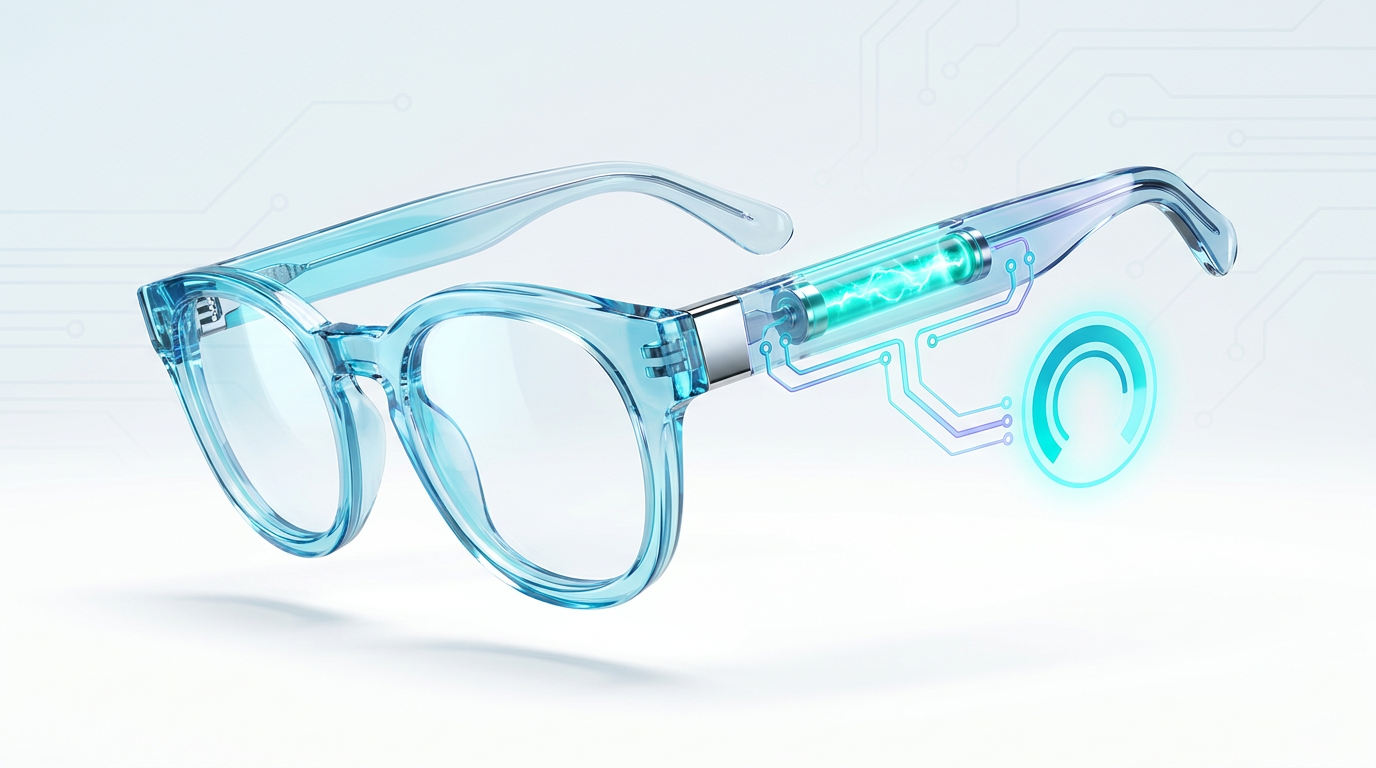
Smart glasses like the Ray-Ban Meta and Oakley Meta Vanguards need to pack enough energy to power features like cameras, speakers, AI workloads, and even a display. But it all has to fit into the glasses’ temple arms. So how do you place a battery with enough power to run a pair of smart glasses [...] Read More... The post How Meta Engineered Ultra-Narrow Batteries for AI Glasses appeared first on Engineering at Meta .
The continuous drive for more advanced AI features in compact form factors like smart glasses necessitates breakthroughs in complementary hardware such as batteries.
Achieving sufficient power density in ultra-small batteries is a critical enabling technology for widespread adoption and advanced capabilities of AI-powered wearables, extending AI from large models to ubiquitous personal devices.
The ability to integrate powerful AI and rich features into discreet, wearable form factors becomes more feasible, potentially accelerating the development and market penetration of AI glasses.
- · Meta
- · AI-powered wearable manufacturers
- · Battery technology developers
- · Consumers of AI eyewear
- · Traditional eyewear manufacturers
- · Companies unable to miniaturize tech
Improved battery life and more advanced features become possible in augmented reality and smart glasses.
Increased consumer adoption of AI-powered wearables leads to new use cases and data streams for AI development.
Ubiquitous, always-on AI assistance through eyewear integrates AI more deeply into daily human interaction and commerce.
This signal links to a primary source. Continuum Brief monitors and indexes it as part of the live intelligence stream — we do not republish source content.
Read at Meta Engineering