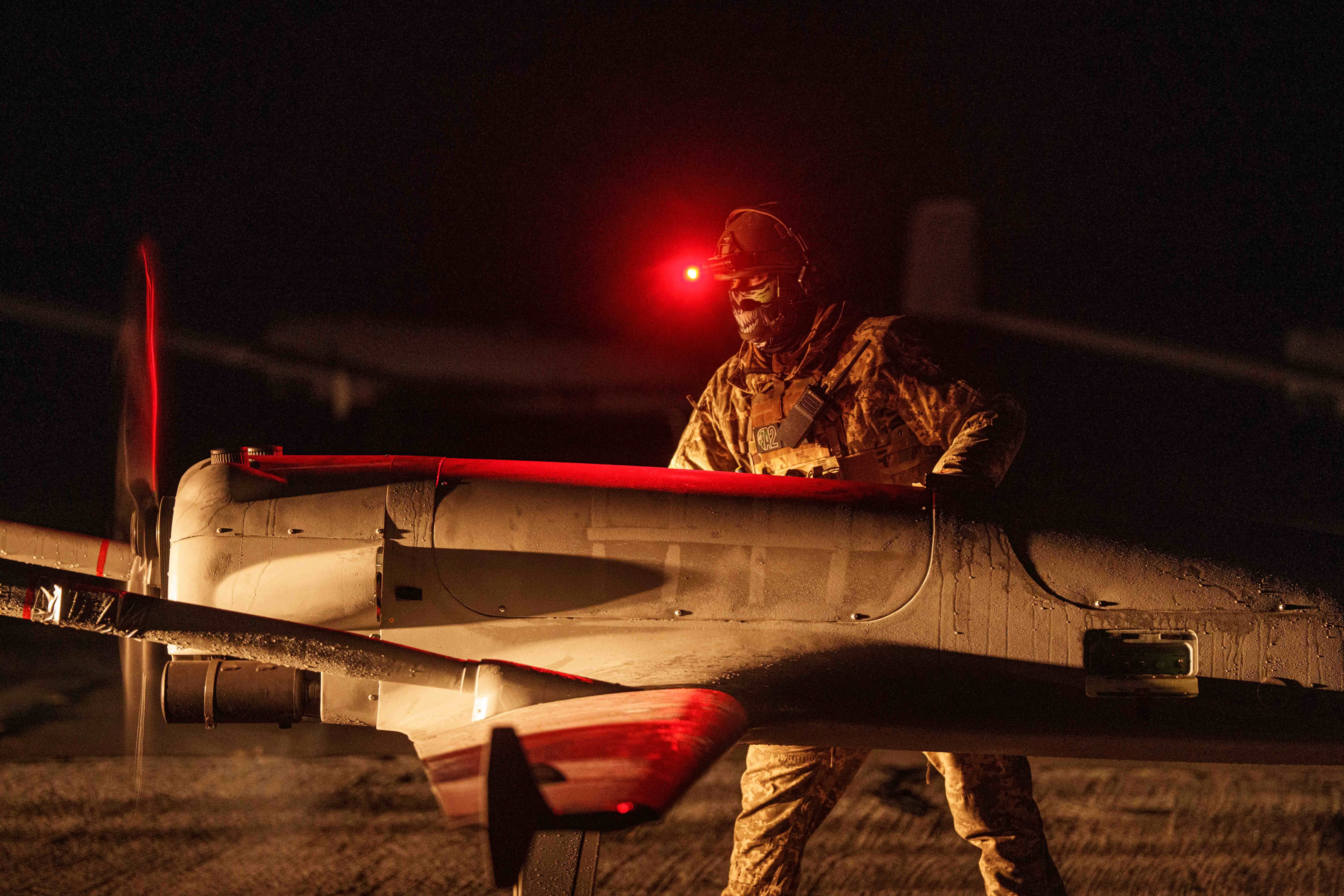
A Russian drone wounded two civilians in Romania on Friday, days after Lithuania detailed how Moscow is also steering Ukraine's drones onto allied soil.
The increasing sophistication and proliferation of drone technology, coupled with escalating geopolitical tensions, enables new forms of hybrid warfare where civilian infrastructure and populations in allied nations are directly impacted.
This incident highlights Russia's evolving asymmetrical tactics in weaponizing drones, not just for direct conflict, but for destabilizing NATO borders and challenging collective defense protocols, thereby raising the stakes for NATO's response and defense posture.
The threat landscape for NATO member states now explicitly includes direct, albeit incidental or indirect, attacks within their borders using repurposed or redirected hostile drone assets, complicating defense strategies beyond traditional battlefield engagements.
- · Russian military intelligence
- · Electronic warfare developers
- · Domestic drone manufacturers in adversarial states
- · NATO's border security
- · Romanian civilians
- · Ukraine's drone operations
NATO will likely accelerate investments in counter-drone technologies and electronic warfare capabilities along its eastern flank.
Increased scrutiny and pressure on Ukraine to secure its drone supply chain and operational protocols to prevent diversion or hostile takeover.
Potential for an incident to escalate into a direct military confrontation if a drone attack causes significant casualties or strategic damage within a NATO member state.
This signal links to a primary source. Continuum Brief monitors and indexes it as part of the live intelligence stream — we do not republish source content.
Read at C4ISRNET