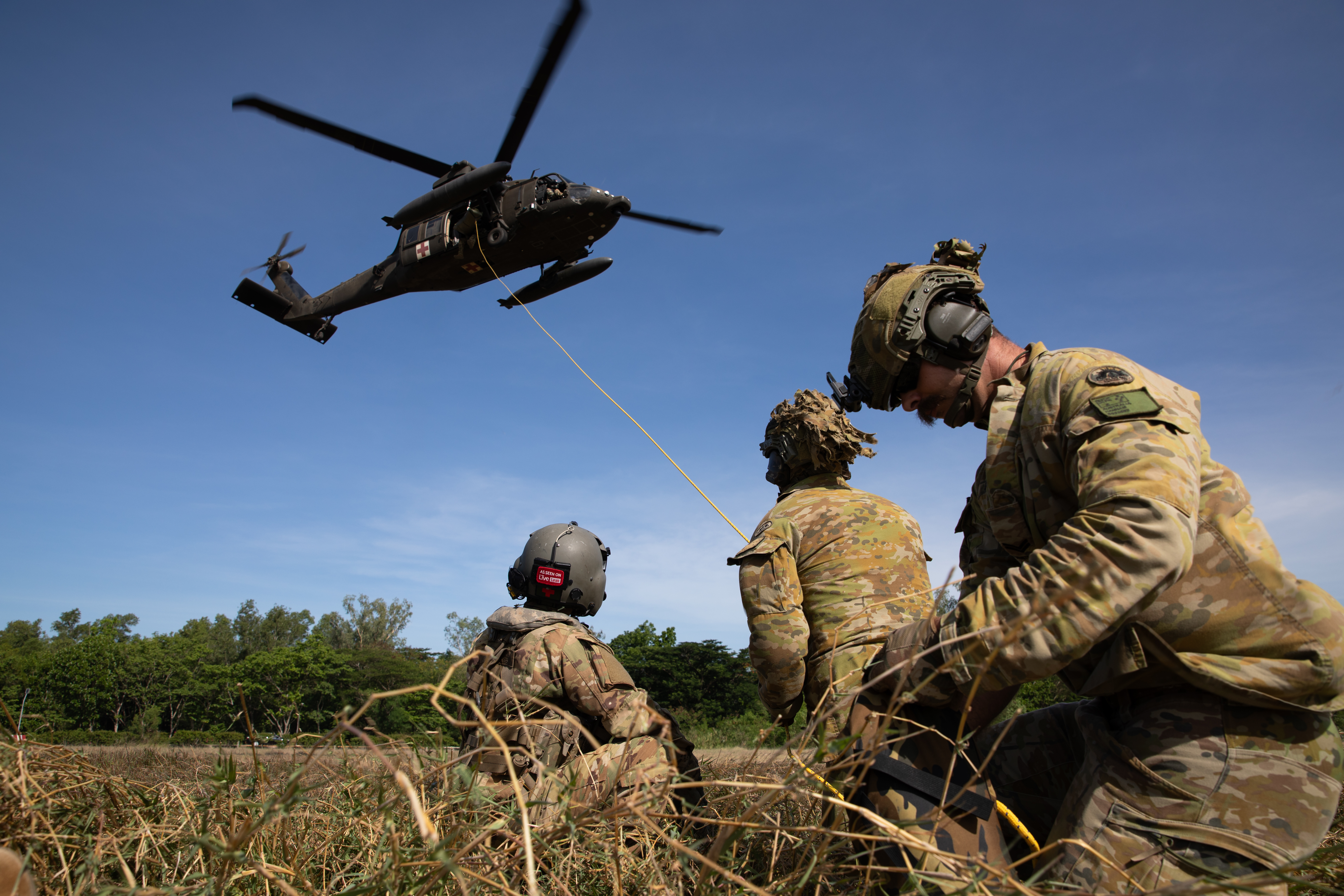
Distance, contested air, communication disruptions, weather and limited evacuation platforms could greatly impact timely access to medical care.
The US military is actively preparing for potential conflicts in complex, geographically challenging environments like the Indo-Pacific, necessitating adaptive logistical and medical strategies.
This highlights the evolving nature of warfare and the critical need for innovation in defense, especially regarding medical support in contested operational areas, impacting readiness and survivability.
The focus shifts towards decentralized, resilient, and technologically augmented medical capabilities capable of operating in degraded environments, moving beyond traditional expectations of air superiority and uncontested logistics.
- · Defence Tech Sector
- · Logistics and Supply Chain Innovators
- · Telemedicine Solutions
- · Traditional Medical Logistics
- · Legacy Evacuation Platforms
Enhanced investment in advanced medical technologies and drone-based delivery systems for military use.
Increased pressure on allies in the Indo-Pacific to similarly adapt their medical and logistical support capabilities.
The development of resilient, contested-environment medical solutions could find dual-use applications in disaster relief or remote civilian healthcare.
This signal links to a primary source. Continuum Brief monitors and indexes it as part of the live intelligence stream — we do not republish source content.
Read at Army Times