I once made my VA therapist cry. Then an AI chatbot got me talking about war and guilt
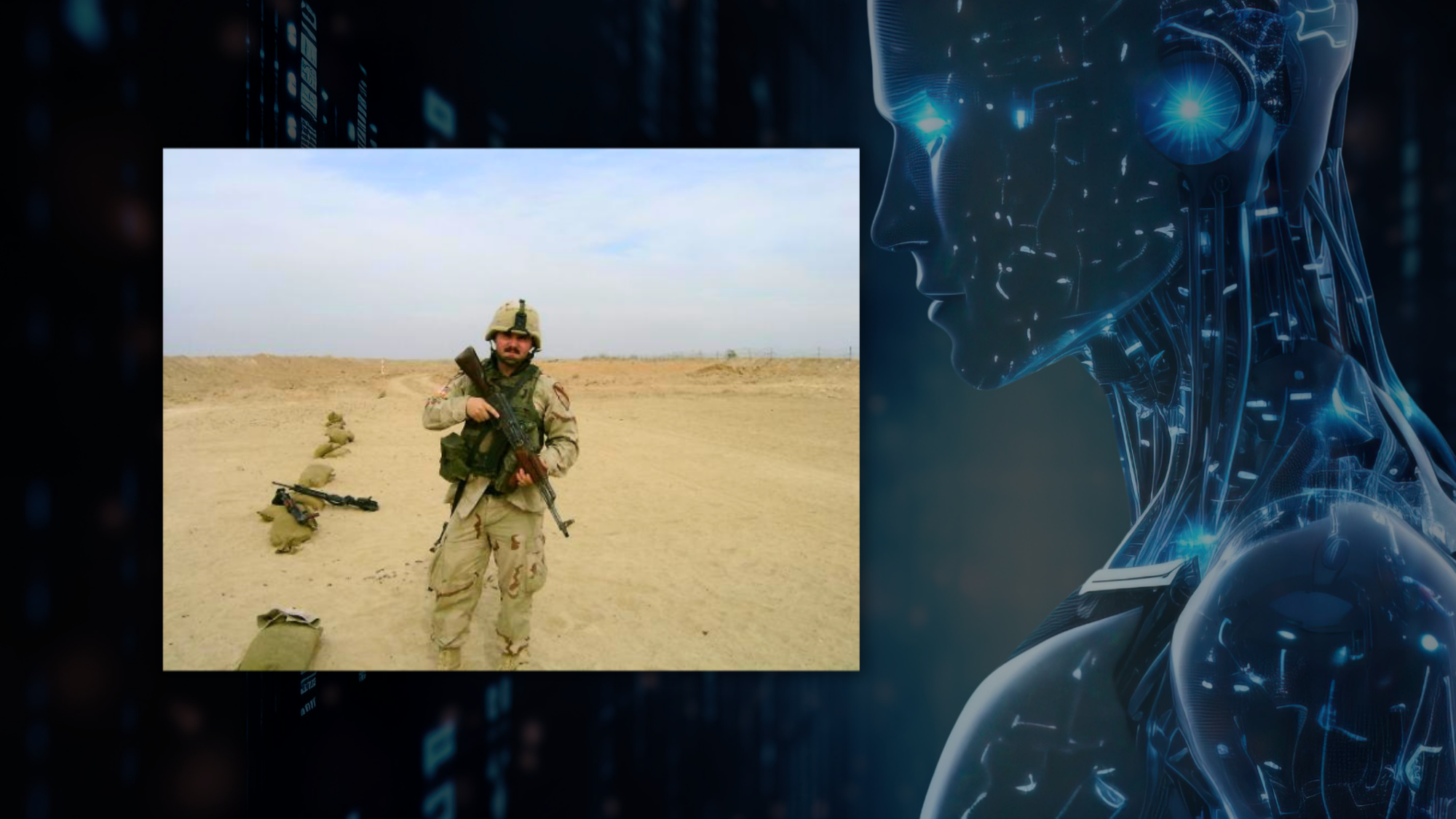
Talking with an AI chatbot started as a diversion, but later became a way to confess what I saw and did in Iraq, this veteran writes for The War Horse.
The proliferation and increasing sophistication of AI chatbots enable more nuanced and empathetic interactions, making them viable for mental health discussions. Growing awareness of veteran mental health issues is also driving demand for accessible solutions.
This highlights the potential for AI to bridge gaps in mental healthcare access and overcome human interaction barriers for sensitive topics like PTSD and guilt. For strategic readers, it signals a new frontier for AI application beyond traditional tasks.
AI chatbots are no longer just tools for information retrieval but are evolving into entities capable of facilitating deeply personal and therapeutic dialogues. This expands the perceived utility and ethical considerations of AI in intimate human domains.
- · AI healthcare platforms
- · Mental health tech startups
- · Veterans and military personnel
- · AI developers
- · Traditional therapy models (to some extent)
- · Therapists resistant to AI integration
AI chatbots become a more accepted and utilized first-line resource for mental health support, especially for hard-to-reach populations.
Increased data on sensitive psychological states gathered by AI could lead to breakthroughs in understanding and treating mental health conditions, alongside new privacy concerns.
The success of AI in therapeutic conversations might accelerate societal acceptance of advanced AI for other emotionally complex roles, blurring lines between human and artificial empathy.
This signal links to a primary source. Continuum Brief monitors and indexes it as part of the live intelligence stream — we do not republish source content.
Read at Navy Times