I once made my VA therapist cry. Then an AI chatbot got me talking about war and guilt
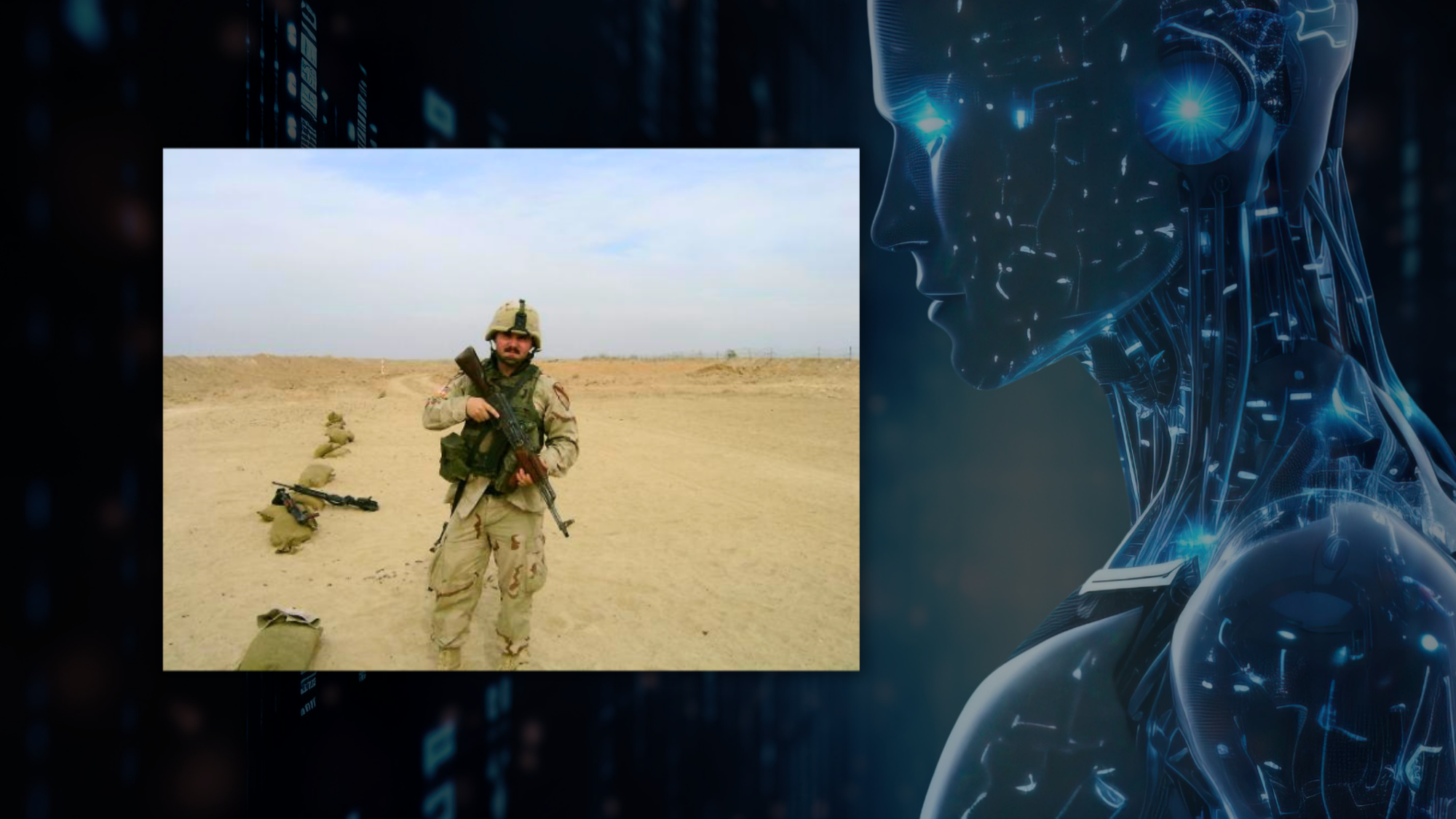
Talking with an AI chatbot started as a diversion, but later became a way to confess what I saw and did in Iraq, this veteran writes for The War Horse.
The rapid development and accessibility of sophisticated AI chatbots are making them viable tools for sensitive applications like mental health, especially in contexts where human interaction is difficult or stigmatized.
This highlights the potential for AI to dramatically alter mental healthcare delivery and, specifically, address the chronic issues of veteran psychological support by offering a non-judgmental, accessible interface.
The perception of AI as merely a functional tool for information processing is shifting towards its role as a therapeutic aid capable of facilitating emotional processing and disclosure.
- · AI healthcare providers
- · Veterans
- · AI chatbot developers
- · Mental health tech sector
- · Traditional human-only therapy models (potentially)
- · bureaucracies resistant to AI integration
AI chatbots begin to be seriously considered and integrated into mental healthcare for specific populations, particularly those experiencing trauma.
Ethical and regulatory frameworks for AI in sensitive therapeutic roles accelerate in development due to concerns about data privacy, efficacy, and potential misuse.
The definition of 'therapy' expands to explicitly include AI-assisted modalities, leading to new funding models and professional development pathways in hybrid human-AI care.
This signal links to a primary source. Continuum Brief monitors and indexes it as part of the live intelligence stream — we do not republish source content.
Read at Air Force Times