IBM goes sub-1nm, develops 0.7nm-class technology — offering up to 50% higher performance and 70% higher energy efficiency compared to IBM's 2nm-class node
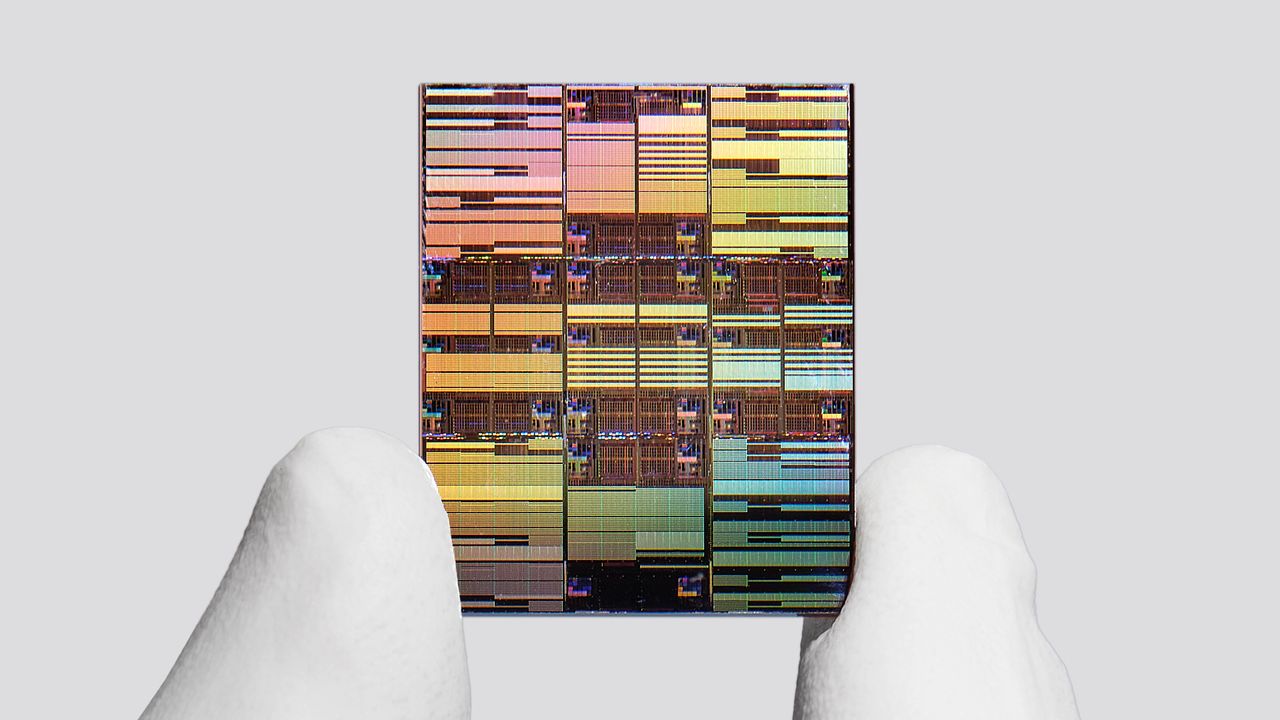
IBM's new 0.7nm-class fabrication process uses nanostack transistors, requires 2x more FEOL steps for massive improvements in performance, power, and area.
The semiconductor industry is in a continuous race for density and performance, with major players aggressively pursuing advancements to maintain competitive advantage.
This development represents a significant leap in silicon manufacturing capabilities, pushing the boundaries of Moore's Law and enabling next-generation computing architectures.
The ability to produce 0.7nm-class chips means future processors can offer drastically improved performance and power efficiency, impacting everything from data centers to edge devices.
- · IBM
- · Hyperscalers
- · High-performance computing
- · AI developers
- · Competitors with lagging fabrication technology
- · Energy inefficient computing solutions
Increased computational power and efficiency for advanced applications like AI and scientific research.
Reduced energy consumption per computation, potentially alleviating some pressure on the energy grid.
Accelerated development of complex AI models and novel computing paradigms due to enhanced underlying hardware capabilities.
This signal links to a primary source. Continuum Brief monitors and indexes it as part of the live intelligence stream — we do not republish source content.
Read at Tom's Hardware