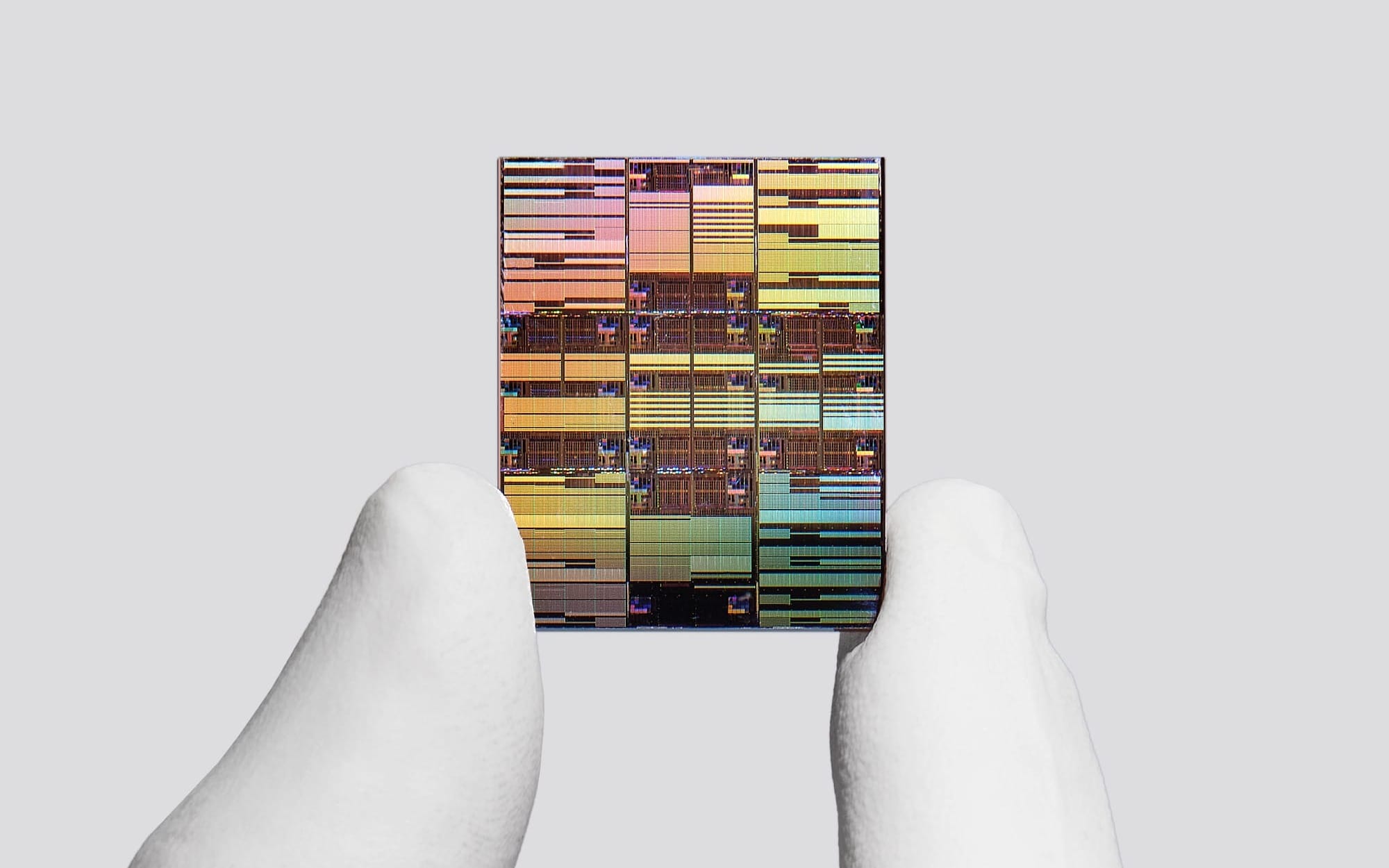
Moore's law may have some life left in it after all.
The continuous push for higher compute density and efficiency to support advanced AI and other computationally intensive tasks is driving new breakthroughs in semiconductor manufacturing.
This development indicates a potential extension of Moore's Law, impacting the future trajectory of computing power and sustaining innovation in various technology sectors.
The perceived limits of miniaturization in chip design are being pushed further, suggesting that the pace of hardware improvement might not decelerate as rapidly as previously anticipated.
- · IBM
- · Semiconductor industry
- · AI/ML developers
- · Hyperscale cloud providers
- · Manufacturers relying on less advanced chip technology
- · Companies whose business models depend on a sustained slowdown of Moore's Law
Increased performance and energy efficiency of future computing systems.
Accelerated development of AI models and advanced simulations due to enhanced computational capabilities.
Potential for new form factors and applications for electronics previously constrained by chip size and power requirements.
This signal links to a primary source. Continuum Brief monitors and indexes it as part of the live intelligence stream — we do not republish source content.
Read at The Stack