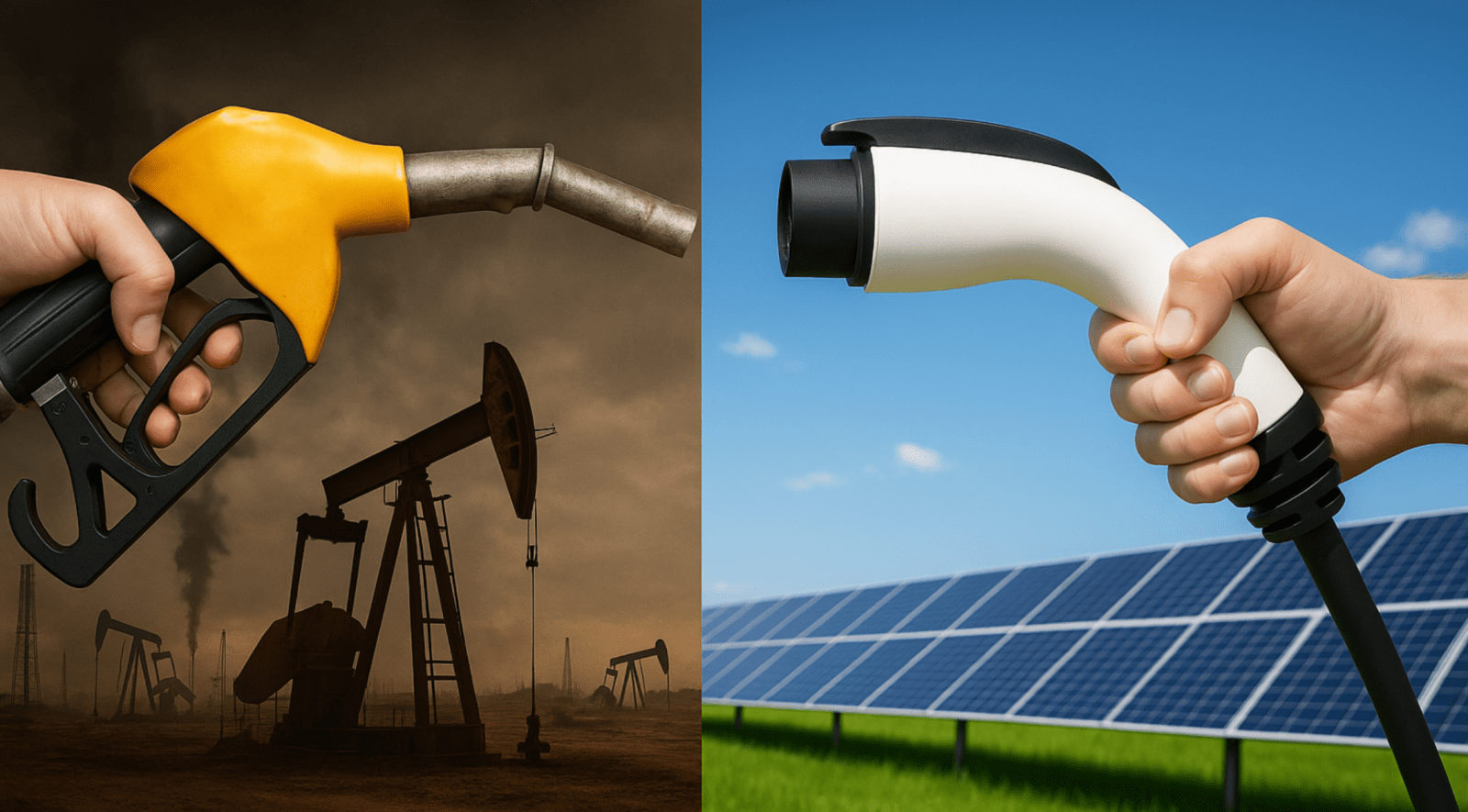
Every one of the top sixteen cars sold in China was an EV in May according to China Passenger Car Association data, as gasoline-powered cars continue their structural decline in the world’s largest auto market. more…
This shift is occurring as China's industrial policy has aggressively prioritized EV adoption and domestic manufacturing, coupled with strong consumer demand for new technologies.
A strategic reader should care because this signifies a profound reorientation of the global automotive industry's largest market, impacting energy demand, supply chains, and competitive landscapes.
The dominance of internal combustion engine (ICE) vehicles in the world's largest auto market has ended, with EVs now holding the top spots, fundamentally altering investment decisions and future product development.
- · Chinese EV manufacturers
- · Battery technology companies
- · Electric vehicle charging infrastructure
- · Renewable energy sector
- · Traditional ICE automakers (non-EV focus)
- · Oil and gas industry
- · Auto parts suppliers for ICE vehicles
- · Legacy automotive dealerships
The market share of ICE cars will continue to decline rapidly in China and potentially other fast-adapting markets.
Global automotive supply chains will significantly reconfigure to prioritize EV components and battery materials.
The accelerated adoption of EVs in China could lead to increased pressure on grids and a heightened focus on energy storage solutions and renewable energy generation.
This signal links to a primary source. Continuum Brief monitors and indexes it as part of the live intelligence stream — we do not republish source content.
Read at Electrek