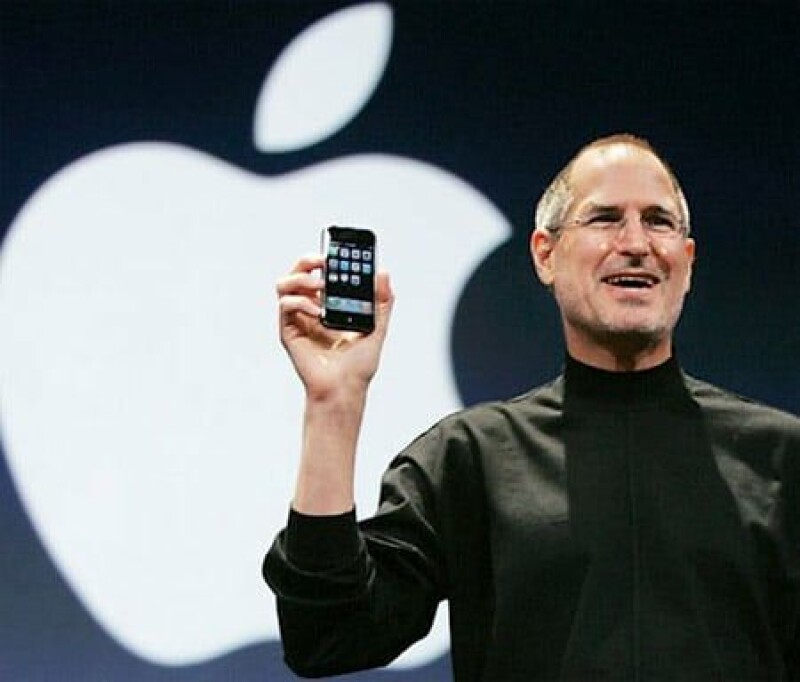
Economists find signs of a ‘large and causal relationship between iPhones and fertility' in AT&T exclusivity-era data
Economists are now publishing studies that link the prevalence of smartphones, specifically iPhones from a specific era, to long-term societal demographic changes.
This highlights a potential unintended consequence of pervasive personal technology on fundamental societal structures, impacting future economic and social planning.
The understanding of how widespread mobile technology adoption may contribute to altering demographic trends, adding another layer to the discourse on societal factors influencing birth rates.
- · Tech companies (initially, via increased engagement)
- · Researchers studying technology's social impacts
- · Digital entertainment industry
- · Fertility clinics (potentially, depending on interpretation)
- · Long-term demographic stability
- · Traditional social interaction models
Increased public and academic debate regarding technology's impact on social and reproductive behavior.
Potential for policymakers to consider social impact assessments for widespread consumer technologies.
Shifts in government policy or public health initiatives aimed at addressing declining birth rates, potentially targeting excessive screen time or digital engagement.
This signal links to a primary source. Continuum Brief monitors and indexes it as part of the live intelligence stream — we do not republish source content.
Read at The Register