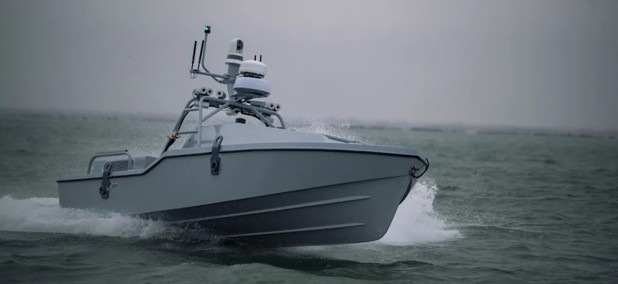
The unmanned vessel, made by Texas-based Saronic, was sent to the region in March.
The deployment and successful demonstration of unmanned surface vessels reflects ongoing advancements in autonomous marine technology and strategic military adoption after significant investment.
This event showcases the increasing viability and application of autonomous systems in critical military operations, pointing to a future where human risk can be significantly reduced in dangerous scenarios.
The Navy has successfully validated a new, seemingly effective, rescue and support capability using autonomous systems, accelerating the integration of uncrewed platforms into naval doctrine.
- · Defense contractors specializing in autonomous systems
- · Naval forces adopting unmanned platforms
- · Military personnel in high-risk environments
- · Traditional crewed rescue operations providers
Autonomous surface vessels are proven capable of performing rescue missions.
Increased investment and accelerated deployment of unmanned systems across various naval functions will follow.
The role of human personnel in naval operations will shift significantly towards oversight and strategic decision-making, rather than direct execution in many hazardous tasks.
This signal links to a primary source. Continuum Brief monitors and indexes it as part of the live intelligence stream — we do not republish source content.
Read at Defense One