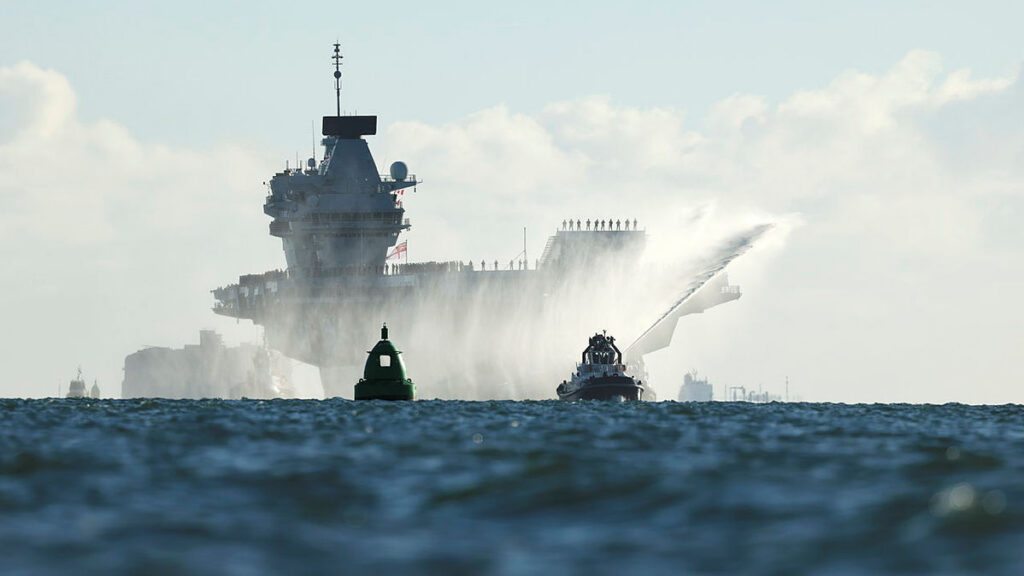
The Ministry of Defence has said the plan will pursue at least six “hybrid” warships designed to work with unmanned systems in the air and at sea.
Western nations are actively re-evaluating and modernizing their defense strategies in response to evolving geopolitical threats and the proven effectiveness of autonomous systems in contemporary conflicts.
A strategic reader should care as this indicates a significant shift in naval and air doctrine towards unmanned systems, impacting defense procurement, industrial capabilities, and future conflict dynamics.
Britain is moving aggressively to integrate hybrid and unmanned systems into its naval and air forces, signaling a broader adoption of these technologies within NATO and beyond, potentially altering fleet compositions and operational tactics.
- · Defence Tech Sector
- · UAV/UUV Manufacturers
- · AI/Autonomy Software Providers
- · UK Defence Industry
- · Traditional Warship Builders (not adapting)
- · Legacy Manned Systems Producers
- · States reliant on conventional naval power
Increased investment and R&D in drone and autonomous system capabilities across the UK's defense industrial base.
Other NATO and allied nations will likely accelerate their own hybrid fleet and unmanned systems development programs to maintain parity or advantage.
Future naval engagements could feature significantly more autonomous platforms, challenging established doctrines of fleet-on-fleet combat and requiring new command and control structures.
This signal links to a primary source. Continuum Brief monitors and indexes it as part of the live intelligence stream — we do not republish source content.
Read at Breaking Defense — Air